
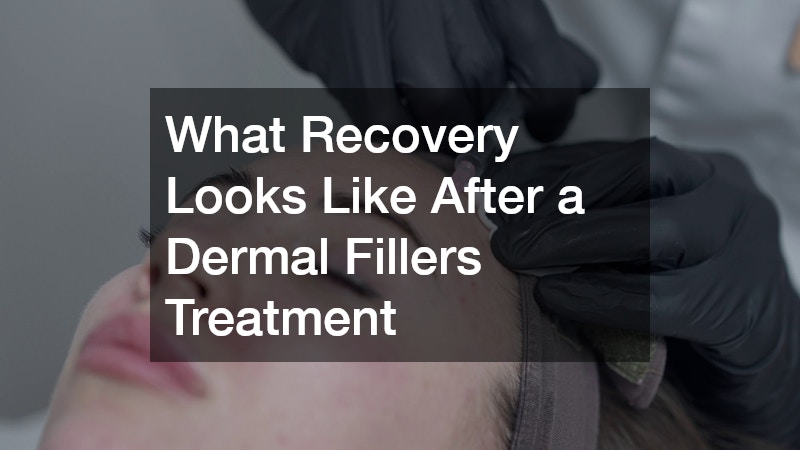
The quest for youthful and radiant skin has led many individuals to explore various cosmetic procedures, with dermal fillers treatment being one of the most popular choices. The non-surgical nature and convenience of dermal fillers make them an appealing option for those seeking to rejuvenate their appearance. However, understanding the recovery process is crucial for anyone considering this treatment, as it plays a significant role in achieving the desired results.
Post-Treatment Care
Immediately after receiving dermal fillers treatment, patients may notice some initial redness and swelling around the injection sites. These side effects are typical and tend to resolve within a few hours to days, depending on the individual’s skin type and the specific areas treated. During this initial phase, it is vital to avoid touching or massaging the treated area to prevent any displacement of the fillers. Applying a cold compress may help reduce any unwanted puffiness and provide relief from discomfort. It’s important to remember that patience is key, as the immediate appearance post-treatment is not the final outcome.
Following the procedure, healthcare professionals recommend a “downtime” for patients to allow the skin to heal naturally. During this period, it’s crucial to steer clear of strenuous activities that might increase blood flow to the face, such as intensive exercise or excessive sun exposure. These actions could potentially exacerbate swelling or cause unintended side effects. Moreover, alcohol consumption should be minimized as it can lead to dehydration and prolong the healing process. Ensuring that you follow the advice of your skincare specialist can significantly enhance your recovery experience.
Understanding the importance of proper hydration cannot be overstated during the recovery phase. Staying well-hydrated supports your skin’s healing process and helps maintain the integrity of the fillers. In addition to drinking plenty of water, incorporating hydrating serums and moisturizers into your skincare routine can boost the effects of the treatment. By following these simple, yet effective aftercare measures, you can enjoy a smoother and more fulfilling recovery journey.
Common Side Effects
One of the most common side effects that patients report is bruising at the injection sites, which can vary in intensity. While this might seem concerning to some, bruising is typically mild and can be obscured with makeup after a short period. For those who wish to expedite the fading of bruises, topical treatments containing arnica or vitamin K can be useful. These treatments are known for their soothing properties and ability to reduce discoloration. Consulting with your healthcare provider before using such products can ensure they’re safe and appropriate for your post-treatment care.
Another aspect of dermal fillers recovery is monitoring for any signs of infection, which, while rare, can occur. Infection symptoms may include excessive redness, discomfort, or pus drainage at the injection site. For this reason, it is crucial to adhere to a high standard of hygiene and refrain from applying any new products or makeup directly onto the treated areas until they have adequately healed. If you observe any potential signs of infection, it is imperative to contact your provider promptly for advice or an evaluation. Prompt intervention can prevent any complications from escalating.
Swelling, though another common side effect, can be effectively managed using simple at-home remedies. As mentioned earlier, cold compresses can offer immediate relief, while sleeping with an elevated head can minimize swelling during the night. Anti-inflammatory medications like ibuprofen, when approved by your provider, can also be beneficial in reducing discomfort and swelling. By addressing these common side effects proactively, patients can ensure a seamless and satisfactory recovery experience.
Long-Term Considerations
Once the initial recovery phase concludes, patients can begin to appreciate the long-lasting benefits of their dermal fillers treatment. These benefits often include a more youthful appearance, reduced fine lines, and increased facial volume, which contribute to greater self-confidence and satisfaction. It’s crucial to understand that while results from fillers can be long-lasting, they are not permanent. Routine follow-up treatments might be necessary to maintain the desired effects and stay ahead of the natural aging process. Scheduling regular consultations with your provider can ensure that you’re maintaining your skincare goals effectively.
In the long-term recovery period, it’s beneficial to incorporate a comprehensive skincare routine that complements the results of your dermal fillers. This includes using sun protection daily, as UV exposure can accelerate the breakdown of fillers and increase signs of aging. Moreover, implementing serums and creams rich in antioxidants can bolster skin health and prolong the vibrancy achieved through treatment. Engaging in such practices not only supports the longevity of your fillers but also enhances the overall health of your skin.
As we advance in the field of cosmetic dermatology, the understanding and options surrounding dermal fillers continue to evolve, providing more choices for individuals seeking non-invasive enhancements. Embracing this opportunity with the right knowledge and preparedness ensures that you can enjoy the fullest benefits of your dermal fillers treatment and all the aesthetic enhancements it brings.