
There is a distinct, stomach-dropping sensation that every driver dreads. You are cruising down a busy interstate, maintaining a steady speed, when suddenly, the rhythm of your journey is violently interrupted. Perhaps it is a sudden, violent shudder from the engine bay, the terrifying pop of a blown steer tire, or a cascade of red warning lights illuminating your dashboard followed by an immediate loss of power. In an instant, you transition from being in complete control to being at the mercy of gravity, momentum, and the surrounding traffic. A breakdown is never just a minor inconvenience. It is a massive disruption to your livelihood, your strict schedule, and, most importantly, your personal safety.
When stranded on the side of a roaring highway, the sheer volume of adrenaline and frustration can easily cloud your judgment. Panic often leads to hasty, dangerous decisions. Drivers frequently risk their physical safety by stepping out of their cabs directly into the path of oncoming traffic, or they compound the initial mechanical damage by stubbornly trying to force a failing, overheating vehicle to limp to the next exit. The margin for error on the shoulder of a highway is razor-thin, and the consequences of a misstep can be devastating.
This guide serves as your comprehensive, level-headed roadmap to handling a roadside emergency. Surviving a breakdown and getting your vehicle back into peak condition requires a methodical, step-by-step approach. By completely removing the guesswork from the equation, you can protect yourself, secure your cargo, and communicate effectively with the professionals who will get you out of danger.
We will walk through the critical phases of a breakdown scenario: securing the scene for your physical safety, diagnosing the initial symptoms of the mechanical failure, arranging the precise type of transportation required for heavy-duty vehicles, sourcing professional mechanical fixes, and managing any potential collision damage or liability. Let us dive into the breakdown protocol.
Phase 1: Securing Your Vehicle and Personal Safety
The moment you realize your vehicle is losing power or suffering a catastrophic mechanical failure, your immediate priority shifts entirely away from reaching your destination. Your sole focus must be entirely on executing a safe, controlled extraction from the flow of active traffic. The physical safety of you, your passengers, and the drivers around you takes precedence over the mechanical well-being of the vehicle itself.
Steer Your Vehicle to the Safest Available Shoulder
Losing engine power often means losing power steering and power brakes, making a heavy vehicle incredibly difficult to maneuver. You must use whatever forward momentum you have left to safely navigate to the side of the road.
-
Coast with Purpose: Do not slam on the brakes immediately unless absolutely necessary to avoid a collision. Abrupt braking will kill your momentum and leave you stranded in an active lane of traffic. Instead, immediately activate your turn signal and steadily guide the vehicle toward the right shoulder.
-
Evaluate the Terrain: Look for the widest, most level stretch of pavement available. Avoid pulling over on blind curves, at the crests of hills, or on soft, muddy embankments where a heavy vehicle might sink or roll. If you are on a bridge or overpass with no shoulder, and the vehicle is still somewhat operable, try to coast to the other side.
-
Secure the Position: Once you have safely come to a complete stop on the shoulder, turn your steering wheel sharply away from the flow of traffic. This ensures that if your vehicle is struck from behind, it will be pushed outward into the grass or guardrail rather than being violently launched back into the active highway lanes. Immediately engage your emergency parking brake to prevent any rolling.
Deploy High-Visibility Warning Signals Immediately
Once the vehicle is secured, you must make yourself as visible as possible to oncoming drivers. Highway traffic moves at speeds that leave drivers with only fractions of a second to react to a stationary object.
-
Activate Hazard Lights: Turn on your four-way flashers the second you realize you are in trouble and leave them on. If it is dark, keep your running lights on but turn off your bright headlights so you do not blind oncoming drivers who might accidentally steer toward the lights.
-
Safe Exit Protocols: Do not exit the vehicle on the driver’s side if it borders the active lane of traffic. It is incredibly dangerous. Slide across the bench or console and exit through the passenger side door.
-
Deploying Emergency Gear: You should always keep high-quality truck accessories in your cab, specifically items dedicated to emergency visibility. Grab your reflective triangles or LED road flares. Walk carefully along the shoulder—staying as far away from the white line as possible—and place the triangles at 10-foot, 100-foot, and 200-foot intervals behind your vehicle to give approaching drivers ample warning.
-
Tread Carefully in the Cargo Area: If your safety gear is stored in a rear toolbox, exercise extreme caution when climbing up to retrieve it. Weather conditions like rain or snow can make metal surfaces incredibly slick. Having a textured, slip-resistant truck bedliner installed can be a lifesaver in these moments, preventing you from slipping, falling, and injuring yourself on the roadside while trying to access your emergency equipment.
Phase 2: Diagnosing the Initial Mechanical Symptoms
With the scene secured and your visibility established, you can now take a breath and attempt to figure out what just happened. While you are not expected to tear down an engine block on the side of the highway, gathering accurate diagnostic information is crucial. This data will dictate your next steps and provide vital context to the dispatchers and mechanics who will be coming to your aid.
Read the Dashboard and Listen to the Engine
Before you even pick up your smartphone to call for help, conduct a brief sensory assessment of the vehicle. You need to act as an investigative reporter, gathering clues about the failure.
-
Dashboard Warnings: Take a picture of your dashboard with your phone. Note exactly which warning lights are illuminated. A check engine light is vague, but a flashing DPF (Diesel Particulate Filter) light, an oil pressure warning, or a high-temperature gauge provides a clear starting point.
-
Identify the Odors: Smells are incredibly indicative of specific failures. The distinct scent of maple syrup usually means a ruptured coolant hose or a cracked radiator. The smell of burning rubber often points to a seized pulley or a snapped serpentine belt. A sharp, electrical burning smell indicates a short circuit or melting wiring harness.
-
Analyze the Sounds: If the engine is still running but acting erratically, listen closely before shutting it down completely. A deep, rhythmic knocking sound deep within the block often signifies catastrophic internal failure, such as a thrown rod. A loud hissing noise could be a blown intercooler boot or a severed air brake line. A high-pitched squeal is typically belt-related. Write these details down so you can relay them accurately.
Avoid DIY Fixes on Complex Fuel Systems
In decades past, a driver might be able to pop the hood on the shoulder, clean out a carburetor, tighten a fuel line with a wrench, and get back on the road. Today, attempting to fix a modern, heavy-duty engine with a basic roadside toolkit is not only futile but highly dangerous.
-
The Danger of High Pressure: Modern engines utilize high-pressure common rail fuel injection systems that operate at tens of thousands of PSI. If you attempt to loosen a fuel line to bleed air or check for a blockage, the highly pressurized fluid can actually pierce your skin, leading to severe medical emergencies.
-
Computerized Complexity: Today’s vehicles are rolling computer networks. A sudden loss of power is just as likely to be caused by a failed sensor or a corrupted software module as it is a physical broken part. You cannot fix a software de-rate with a screwdriver.
-
Wait for the Professionals: Because these systems are so incredibly sensitive and require specialized computer diagnostics and heavy-duty tools, these situations strictly require proper diesel repair protocols. Unless you are dealing with a simple, obvious issue like a blown easily accessible fuse or a loose battery terminal, leave the hood closed. You are vastly better off waiting for a qualified local diesel mechanic to arrive with the proper diagnostic laptops and specialized tools rather than risking severe personal injury or accidentally voiding your manufacturer’s warranty by tampering with the engine block.
Phase 3: Arranging Proper Transportation for Your Rig
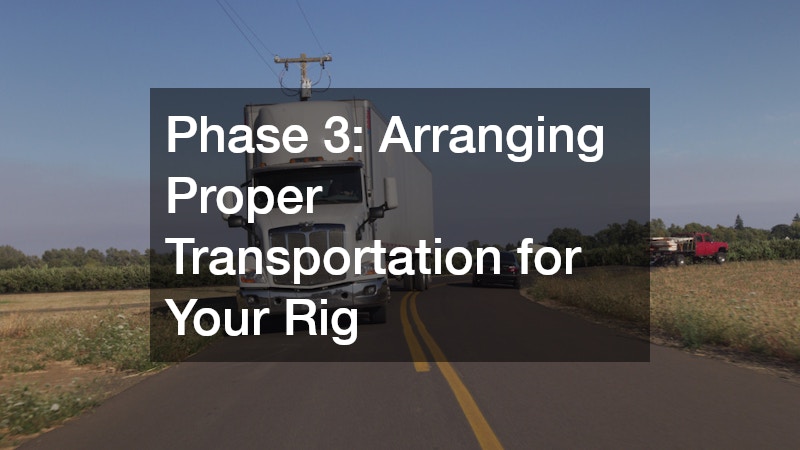
Once you have determined that the vehicle cannot be safely driven, you must arrange to have it removed from the highway. This is where many drivers make a critical error. Ordering the wrong type of recovery vehicle can lead to hours of wasted time, immense frustration, and severe secondary damage to your drivetrain and frame.
Match the Hauler to Your Vehicle’s Weight Class
The recovery industry is highly specialized. Pulling a standard family sedan out of a ditch requires completely different engineering, physics, and machinery than recovering a fully loaded commercial vehicle. You must be explicitly clear about the size, weight, and configuration of your stranded vehicle.
-
Standard Light-Duty: If you are driving a standard half-ton pickup, the situation is relatively straightforward. A standard flatbed carrier is usually perfectly sufficient. The operator can easily winch the vehicle onto the deck, keeping all four wheels off the ground, which protects your transmission from being damaged during transit.
-
Medium-Duty Complexities: The situation changes drastically if you are driving a 1-ton dually, a vehicle equipped with a heavy service body, or a rig hauling a gooseneck trailer. These vehicles are incredibly heavy, especially over the rear axles. If a dispatcher sends a standard wrecker that attempts to lift a fully loaded dually by the front wheels, the immense weight of the rear end can actually cause the tow truck’s own front wheels to lift off the ground, resulting in a dangerous loss of steering for the operator.
-
Heavy-Duty Requirements: For tractor-trailers, box trucks, and large commercial rigs, the stakes are the highest. These vehicles require massive rotators or specialized heavy-haul wreckers. Improperly towing a semi by the wrong frame points can actually bend the chassis. Furthermore, air brakes must be properly manually released or supplied with air from the wrecker before the vehicle can even be moved.
-
Making the Right Call: If you call a dispatcher and simply ask for standard tow truck services without specifying the massive size of your vehicle, you will wait an hour only for a small flatbed to arrive, look at your rig, and drive away because they cannot physically lift you. You must be absolutely explicit that you require specialized, heavy-duty semi truck towing services to ensure they send a multi-ton wrecker equipped with the correct under-reach gear, air lines, and pulling capacity to safely lift and transport your vehicle without ripping out the driveshaft or destroying the transmission.
Communicate Exact Coordinates and Hazards
A recovery operator cannot help you if they cannot find you. Highway markers can be confusing, and simply saying you are “somewhere on Interstate 95” is not helpful. You need to provide a highly precise location and a clear description of the environment.
-
Pinpoint Your Location: Do not rely solely on your memory of the last exit you passed. Open the map application on your smartphone and drop a pin on your exact GPS coordinates. Read these coordinates directly to the dispatcher. Look around for physical highway mile markers, bridge overpass numbers, or distinctive landmarks. Tell them exactly which direction you are traveling (e.g., Northbound, Southbound) and which side of the highway you are stranded on.
-
Detail the Environment: The operator needs to know what they are driving into. Inform the dispatcher if you are broken down on a dangerous blind curve so the operator knows to approach with extreme caution and maximum emergency lighting. If you were forced to pull over onto a soft, muddy shoulder, tell them. They may need to bring an operator with specialized winching experience to pull you out of the mud before they can even attempt to hook up the vehicle.
Phase 4: Sourcing Professional Fixes and Components
The stress of the roadside emergency subsides once your vehicle is safely dropped off at a specialized facility, but a new phase of the process immediately begins. Getting your vehicle back on the road quickly and reliably depends entirely on the competence of the technicians and the quality of the components they use to fix the problem.
Authorize a Comprehensive Diagnostic Scan
When your vehicle is unhooked in the service bay, you should not simply hand over the keys and tell them to fix whatever is broken. You need to be proactive in the intake process to ensure that the root cause of the breakdown is actually identified and resolved, rather than just the most obvious symptom.
-
Beyond the Surface Level: If your vehicle broke down because of an overheated engine, replacing a blown radiator hose is only half the job. Why did it overheat in the first place? Was there a deeper failure in the water pump, or a malfunctioning thermostat?
-
The Power of the Computer: You must explicitly request and authorize a full, comprehensive computer diagnostic scan. Reputable truck repair services will have highly advanced, heavy-duty diagnostic software that goes far beyond the basic OBD-II scanners used on passenger cars. These computers interface directly with your vehicle’s ECM (Engine Control Module) and TCM (Transmission Control Module).
-
Finding the Root Cause: This deep scan will pull all historical and active fault codes. It will reveal if the initial mechanical failure caused cascading electrical shorts, if the exhaust aftertreatment system is hopelessly clogged, or if the transmission suffered heat damage during the breakdown. Getting a complete picture of the vehicle’s health prevents you from breaking down again fifty miles down the road due to an undetected secondary issue.
Source Quality Replacement Components
Once the diagnostic scan is complete and the technicians have presented you with an itemized list of necessary repairs, the conversation must shift to how those repairs will be executed and what materials will be used.
-
OEM vs. Aftermarket: There is a constant debate between using Original Equipment Manufacturer (OEM) components versus aftermarket parts. While aftermarket parts are often cheaper, they do not always meet the exact engineering tolerances required by heavy-duty engines. For critical components like fuel injectors, high-pressure pumps, or internal transmission sensors, OEM is almost always the safer, more reliable choice.
-
Supply Chain Realities: Time is money, especially when a commercial vehicle is sitting idle in a bay. You need to partner with a shop that understands this urgency. Discuss their supply chain capabilities. A highly professional facility will have a robust, established network for sourcing durable truck parts and accessories locally or regionally.
-
Minimizing Downtime: If a shop tells you it will take three weeks to ship a standard alternator or a common suspension airbag, you are at the wrong facility. A well-connected shop can often source the necessary components within hours or overnight, ensuring your downtime is measured in days, not weeks. Always ask about the warranties associated with both the labor and the specific replacement components they are installing.
Phase 5: Managing Collision Damage and Liability
Not all breakdowns are purely mechanical. Sometimes, a breakdown is the direct result of a collision, such as a severe tire blowout that shreds the side of the vehicle, or a catastrophic load shift that damages the frame. Alternatively, a purely mechanical breakdown can turn into a collision scenario if a distracted driver fails to see your hazard lights and rear-ends your stranded vehicle on the shoulder. Handling these complex scenarios requires addressing both physical structural damage and legal liability.
Address Structural Damage to the Hauling Area
When a heavy vehicle is involved in an impact, or when a massive piece of cargo breaks its tie-downs and shifts violently during an emergency stop, the damage is rarely confined to a simple dented bumper. The structural integrity of the cargo area is often deeply compromised, rendering the vehicle completely unsafe to load, even if the engine is running perfectly.
-
Assessing the Structural Integrity: A blown steer tire at highway speeds can send massive chunks of steel-belted rubber whipping against the side of the vehicle, ripping through sheet metal, tearing off storage boxes, and severing wiring harnesses. A rear-end collision can bend the main frame rails or shatter the rear tailgate assembly.
-
Specialized Fabrication and Restoration: Standard mechanical shops cannot fix this type of damage. You cannot safely patch a bent load-bearing frame with a hammer and some touch-up paint. If the cargo holding area is compromised, you will need to seek out specialized truck bed services. These specialized fabrication shops employ highly skilled welders and structural experts who can cut away the crumpled, dangerous metal, weld in fresh, high-strength steel reinforcements, align the frame on a laser rack, and restore the cargo area to a safe, roadworthy, and legally compliant condition.
Document the Scene if Another Vehicle Was Involved
If your breakdown involves another vehicle—especially if you were safely parked on the shoulder with your hazard lights flashing and someone collided with your stationary rig—you must immediately shift into a mindset of legal and financial self-preservation. The aftermath of a highway collision is chaotic, and memories fade quickly. Hard evidence is your only shield against unfair liability.
-
Extensive Photographic Evidence: Before the vehicles are moved (if it is safe to leave them in place), take extensive photographs of the scene. Photograph the damage to both vehicles from multiple angles. Take pictures of the road conditions, any skid marks on the pavement, the position of your warning triangles, and the location of the vehicles relative to the highway lanes. This proves you were correctly positioned on the shoulder.
-
Gather Independent Witness Data: If other drivers pull over to help, ask for their names and phone numbers immediately. Independent witness testimony is incredibly powerful when dealing with insurance adjusters who might try to claim you were partially at fault for the collision.
-
Seek Legal Counsel: Commercial vehicle collisions involve massive insurance policies, complex state regulations, and aggressive corporate adjusters. Do not attempt to negotiate a settlement or give a recorded statement to the other driver’s insurance company on your own. It is highly advised to consult with specialized truck accident lawyers who understand the specific nuances of commercial liability, federal transportation laws, and the true cost of your vehicle’s downtime. They will act as your advocate, ensuring you are not unjustly held financially responsible for a crash that occurred while you were responsibly managing a mechanical emergency, and they will fight to recover the lost wages resulting from your vehicle being out of commission.
Conclusion
Experiencing a major breakdown on a high-speed interstate is undeniably one of the most stressful, disruptive, and potentially dangerous events a driver can face. In the span of a few seconds, your entire schedule is derailed, and you are forced to navigate a high-stakes logistical puzzle while sitting just feet away from speeding traffic. However, the difference between a minor setback and a catastrophic loss comes down entirely to how you manage those critical first few moments and the decisions you make in the immediate aftermath.
By adhering to a strict breakdown protocol, you fundamentally shift the odds in your favor. Prioritizing your physical safety by securing the scene and making your vehicle highly visible is the absolute most important step. From there, accurately assessing the symptoms, communicating clearly with heavy-duty dispatchers to ensure the right equipment arrives, and demanding comprehensive diagnostics from skilled technicians will ensure your vehicle is repaired correctly the first time. Furthermore, understanding how to legally protect yourself in the event of secondary collisions guarantees that a bad situation does not ruin your financial standing.
While you can never completely predict when a fuel pump will fail or a tire will blow, you can absolutely control your reaction to the event. Do not wait until you are sitting on the side of a dark highway to figure out your plan. Take the time today to build a comprehensive roadside emergency kit, save the contact information for reputable heavy-duty recovery operators in your phone, and establish a working relationship with a trusted repair facility. When the inevitable happens, you will not be reacting with panic; you will simply be executing a well-rehearsed plan to get safely back on the road.
