
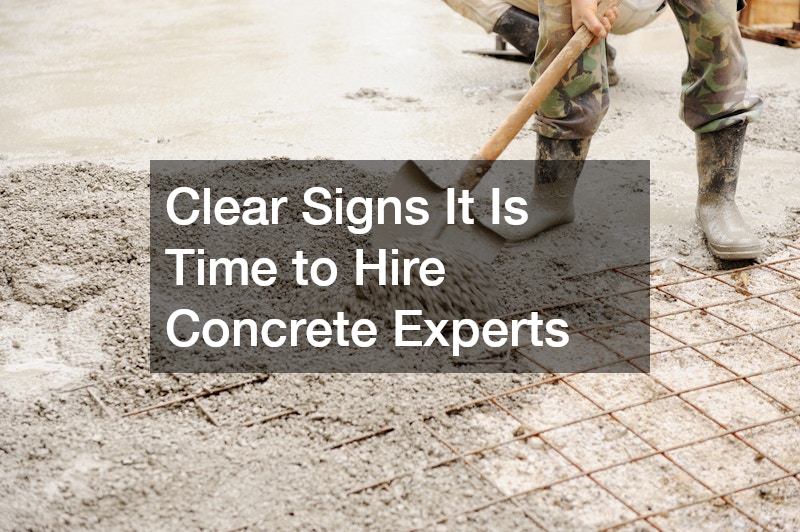
When you look at the hardscaping around your property, it is easy to fall into the trap of believing it is completely indestructible. After all, this is a building material that dates back to the Roman Empire, used to construct architectural marvels that have withstood millennia of weather, wear, and tear. Because of this reputation for absolute permanence, property owners often adopt an install-it-and-forget-it mentality. We expect our walkways, patios, and foundations to silently endure the blazing sun, torrential rain, freezing winters, and the sheer weight of multi-ton vehicles without ever needing a second glance.
However, this assumption of invulnerability is exactly what leads to severe structural problems down the line. While incredibly durable, it is not immune to the elements, the passage of time, or the shifting earth beneath it. Minor cosmetic flaws can quickly escalate into major structural failures if left unattended. Unfortunately, many property owners attempt to mitigate these issues with quick DIY fixes. Store-bought patching compounds, tubes of generic masonry caulk, and superficial sealants might make a surface look slightly better for a few months, but they almost always fail to address the underlying structural instability. These band-aid solutions only mask the deeper issues, allowing water infiltration and soil erosion to continue wreaking havoc out of sight, ultimately leading to exponentially more expensive problems.
The purpose of this comprehensive guide is to help you navigate the fine line between normal wear-and-tear and catastrophic failure. As a property owner, it is crucial to develop an eye for the specific threshold where a minor cosmetic flaw transitions into a major issue requiring professional intervention. Knowing the clear signs of structural failure, surface degradation, and safety hazards ensures you bring in the right experts before a simple, manageable fix turns into a massive, budget-breaking renovation.
Identify Wide, Deep Cracks That Compromise Structural Integrity
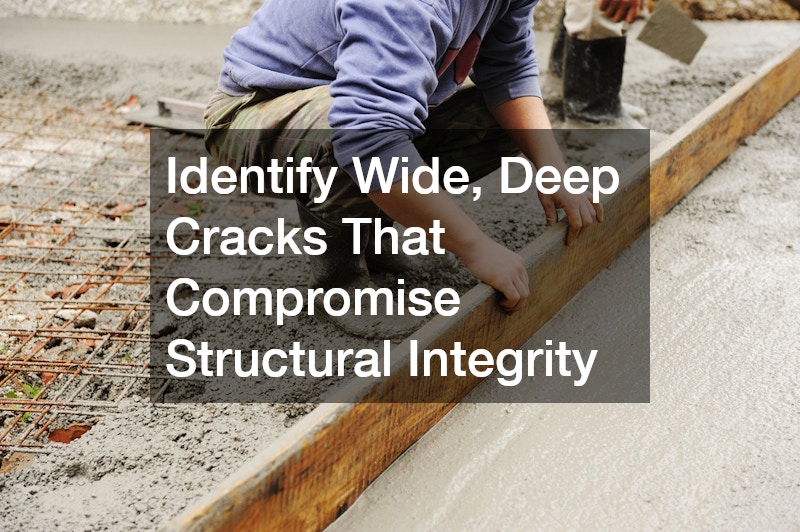
Cracking is the most common visual defect property owners notice, but not all cracks are created equal. It is vital to understand the difference between normal curing phenomena and serious structural threats. Hairline cracks—those that are barely visible and no wider than a piece of sewing thread—are generally the result of plastic shrinkage during the initial curing process or minor, natural settling of the soil. These are usually cosmetic and do not immediately threaten the integrity of the slab. However, when you start noticing wide, deep fissures, you have crossed into dangerous territory.
As a general rule of thumb, if a crack is wider than a quarter of an inch, or if it is deep enough that you can see the underlying gravel or sub-base, it is a major red flag. These are known as “active” cracks. Unlike static hairline cracks, active cracks are in a constant state of movement and expansion. They are typically caused by significant soil shifting, heavy root intrusion, or the punishing effects of freeze-thaw cycles. During the winter, water easily penetrates these wide openings. When that water freezes, it expands by approximately nine percent, exerting massive internal tensile pressure that literally tears the slab apart from the inside out.
If you are evaluating the main entrance path to your property, paying close attention to the primary concrete driveway is the best place to start, as this area bears the heaviest loads and experiences the most severe elemental exposure. When large fissures appear here, DIY solutions are entirely inadequate. Filling a massive crack with standard hardware-store cement or flexible caulk does nothing to restore the lost structural strength. The new material will not bond properly to the old, dusty edges of the crack, and the next freeze-thaw cycle will simply pop the DIY patch right out. To actually fix the problem, you must hire a professional concrete repair service capable of routing out the crack, cleaning it with specialized equipment, and injecting industrial-grade epoxies or polyurethane resins that chemically bond the structure back together, preventing further separation and sealing out moisture permanently.
Evaluate Extensive Surface Spalling and Flaking
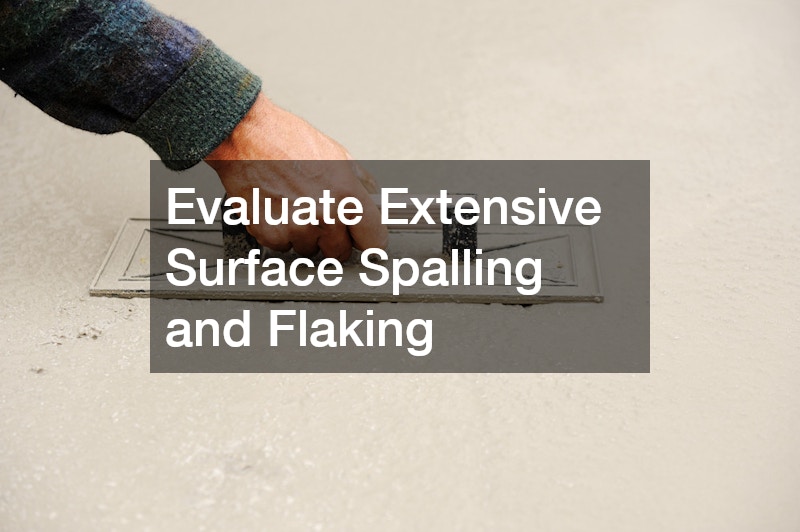
Another glaring sign that you need professional help is the appearance of spalling. Spalling refers to the deterioration of the top layer of the slab, characterized by flaking, peeling, crumbling, or pitting. It looks as though the surface is slowly dissolving or shedding its skin, leaving a rough, rocky, and highly unattractive texture behind.
Understanding what causes spalling is the first step in addressing it. The most common culprit in colder climates is the overuse of harsh de-icing salts during the winter. These chemicals lower the freezing point of water, melting the ice, but they also create a highly corrosive saline solution that absorbs into the porous surface. When this moisture eventually freezes, the hydraulic pressure blows off the top layer. In other instances, spalling is caused by a poor initial pour—such as adding too much water to the mix to make it easier to spread, or failing to cure it properly, which results in a weak, brittle surface layer.
When evaluating spalling, professionals often rely on the 25 percent rule. If the flaking and pitting cover less than 25 percent of the total surface area, and the underlying structure is still sound, the slab might be salvageable. A practical way to test this yourself is to use the hammer test. Gently tap the areas surrounding the visible damage with a metal hammer. If you hear a high-pitched, solid “ping,” the underlying structure is likely healthy. If you hear a dull, hollow “thud,” it means the damage extends deep into the core of the slab, and the material is rotting from the inside out.
If your surface passes the hammer test and the damage is largely superficial, hiring a concrete resurfacing service is an excellent, cost-effective solution. These experts can mechanically grind away the damaged, crumbling top layer and apply a high-strength polymer overlay, essentially giving you a brand-new surface while saving the existing base. However, if the slab fails the hammer test, is plagued by deep structural rot, or the spalling covers the vast majority of the area, superficial overlays will inevitably fail. In these severe cases, investing in complete driveway replacement services will be the only safe, reliable, and long-term option to restore the functionality and safety of your property.
Address Uneven Slabs and Dangerous Trip Hazards
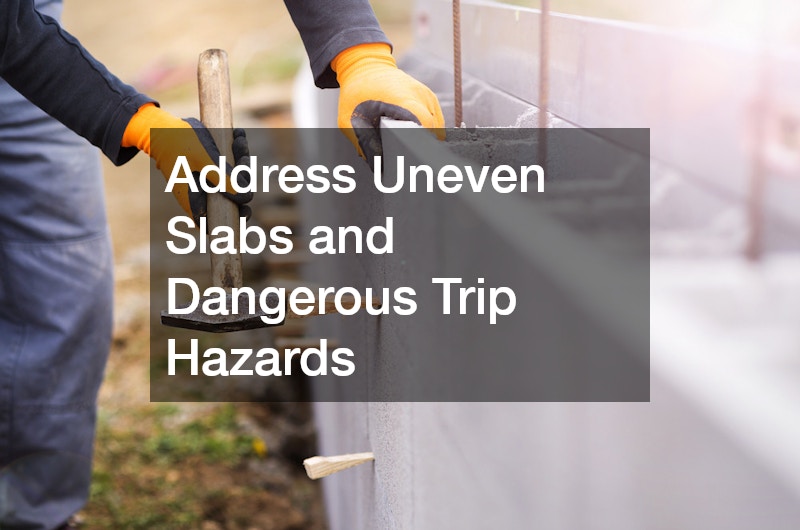
Even if the surface is entirely free of cracks and spalling, the positioning of the slabs themselves can indicate a critical need for professional intervention. Take a slow walk around your property and pay close attention to the seams where two slabs meet, such as the joints in a walkway, the connection between a patio and the house foundation, or the transition from the street to your property. If these slabs are no longer flush and one has risen or sunk significantly compared to the other, you are dealing with settlement or heaving.
The root causes of uneven slabs generally lie beneath the surface. Poor initial soil compaction by the original builders is a frequent culprit; if the sub-base wasn’t densely packed, the sheer weight of the slab will cause it to sink unevenly over time. Soil erosion from improper drainage can physically wash away the supporting dirt beneath the slab, creating a subterranean void that the slab eventually collapses into. Alternatively, the expansive roots of nearby mature trees can exert immense upward pressure, lifting slabs several inches into the air.
Beyond being an eyesore, uneven slabs represent a massive liability. A height difference of just half an inch is enough to cause a severe trip-and-fall accident. For homeowners, this can mean serious injuries to family members or guests. For business owners, it is a glaring safety violation that can easily lead to devastating premises liability lawsuits. Ignoring these trip hazards is simply not an option.
Fortunately, modern professional techniques can often resolve sinking slabs without the mess and expense of tearing everything out. Professional leveling techniques, such as slabjacking or polyurethane foam injection, involve drilling small holes into the sunken slab and pumping a specialized material underneath to gently lift it back to its original, level position. Because the success of this depends heavily on understanding the exact soil mechanics and frost lines of your specific region, partnering with a local concrete construction expert is vital. They know exactly how regional weather patterns affect the local clay or sandy soils. Furthermore, soil shifting doesn’t just affect flatwork; it can ruin the borders and landscaping of your property. When retaining walls or garden borders begin to sink or tilt dangerously, bringing in specialists for concrete curbing services is necessary to stabilize the soil, reinforce the boundaries, and prevent further landscape erosion.
Check for Persistent Water Pooling and Grading Issues
Water is the ultimate enemy of any structure, and your hardscaping is designed to be the first line of defense in managing it. The flat surfaces around your property should be subtly engineered to direct water safely away from your home, garage, and landscaping. When this engineering fails, the signs are usually obvious during the next rainstorm.
To determine if you have a grading issue, perform a simple water test. Go outside during a heavy rainstorm, or simply use a garden hose to thoroughly flood your patio, walkways, and entrance areas. Observe where the water flows. It should move naturally and consistently away from your buildings and toward designated drainage zones or the street. If the water stops and forms large, persistent puddles in the center of the slab, or worse, if it runs backward and pools directly against the foundation of your home, you have a severe problem that requires immediate professional attention.
When water pools against a building’s foundation, it doesn’t just sit there. It slowly seeps into the soil around the basement walls, creating massive hydrostatic pressure. This pressure will eventually force moisture through the microscopic pores of your foundation walls, leading to damp basements, structural cracking, and the proliferation of toxic black mold. Correcting this requires altering the pitch of the slab. Industry standards dictate a minimum slope of one-quarter inch per foot of run to ensure proper drainage.
Fixing a negative pitch is not a DIY weekend project. You cannot simply smear extra cement on top of a slab to change its angle; it will inevitably flake off and look terrible. Instead, you need to contact reputable concrete companies that employ trained crews and utilize precision laser-leveling equipment. These professionals have the engineering knowledge required to accurately calculate the necessary slope, tear out the poorly pitched sections, correct the underlying sub-base, and re-pour the slabs with the exact mathematical pitch required to permanently redirect water away from your valuable property.
Assess Faded Surfaces for a Complete Visual Overhaul
Sometimes, the sign that it is time to call in the experts has nothing to do with structural failure or safety hazards. Over the years, even the most flawlessly poured and structurally sound slabs can become massive eyesores. Constant exposure to ultraviolet radiation from the sun bleaches out applied colors. Years of vehicle traffic leave deep, stubborn oil and rust stains that no amount of pressure washing can remove. Or perhaps you have purchased an older property, and the vast expanses of dull, gray flatwork simply look dated, depressing, and out of sync with modern architectural trends.
Do not underestimate the impact of aesthetics on your property value. Shifting your focus to an aesthetic overhaul can dramatically increase your home’s curb appeal or make your commercial storefront vastly more inviting. Real estate experts consistently note that modernized exterior hardscaping yields a high return on investment when it comes time to sell. Fortunately, the industry has evolved far beyond the days when a simple gray slab was your only option. Today, there is a massive array of decorative techniques that can transform a structurally sound but ugly surface into a work of art.
If you are looking to revamp an exterior space, you should explore the aesthetic appeal of stamped concrete services. These professionals can pour a fresh overlay or a new slab and use specialized polyurethane mats to imprint highly detailed patterns and textures into the wet mix. This process allows you to perfectly mimic the high-end look of natural slate, cobblestone, classic brick, or even weathered wood planks, at a fraction of the cost and maintenance of the real materials.
For interior spaces—such as a dingy basement, a heavily used garage, or a sprawling commercial showroom—different techniques apply. Engaging professionals for concrete polishing can turn a porous, easily stained floor into a sleek, incredibly durable, and highly reflective surface. This process involves using progressively finer diamond grinding grits to smooth the floor, combined with chemical densifiers that harden the surface to a granite-like finish. The result is a stunning, low-maintenance floor that resists tire marks, repels oil spills, and brightens the entire room by reflecting ambient light.
Plan for Heavy-Duty Structural Expansions
The final, undeniable sign that you need to bypass the handyman and hire specialized experts is when you need to significantly scale up your existing hardscaping footprint. There is a monumental difference between pouring a tiny, three-foot garden walkway and executing a heavy-duty structural expansion. If you are planning to add a massive wrap-around patio, extend an industrial loading dock, build a reinforced foundation for heavy machinery, or create a designated parking pad for a 15,000-pound recreational vehicle, you are entering the realm of complex civil engineering.
Large-scale pours involve highly complex logistics that are entirely invisible to the untrained eye. First, there are precise load-bearing calculations that must be made based on exactly what kind of weight the new surface will endure. A slab meant for foot traffic only needs to withstand a compression strength of about 2,500 PSI (pounds per square inch). However, a slab designed to hold heavy machinery or commercial trucks may require a specialized mix capable of withstanding 4,000 to 5,000 PSI.
Furthermore, these heavy-duty expansions require intricate structural reinforcement. Professionals must design and tie complex rebar reinforcement grids to provide the tensile strength needed to prevent the new slab from snapping under heavy loads. There is also the critical issue of managing cure times across a massive surface area to prevent shrinking and curling, as well as navigating the bureaucratic maze of pulling the correct city permits and passing municipal zoning inspections.
Because of the sheer scale and risk involved, substantial expansions require you to hire commercial concrete contractors. These outfits possess the heavy earth-moving machinery required for deep excavations, the large, coordinated workforce necessary to finish a massive pour before it sets, and the rigorous engineering oversight needed to execute the project flawlessly. Attempting a heavy-duty expansion without this level of expertise almost guarantees a structural failure that will cost tens of thousands of dollars to demolish and redo.
Conclusion
Maintaining the hardscaping around your home or business is about much more than keeping up appearances; it is about preserving the structural integrity, safety, and financial value of your entire property. While it is a material famous for its rugged longevity, it requires a watchful eye and a proactive approach to maintenance. By learning to differentiate between harmless cosmetic blemishes and serious warning signs, you empower yourself to act before a minor issue spirals out of control.
Throughout this guide, we have explored the critical red flags that dictate the need for professional intervention. Wide, expanding fissures indicate an actively failing sub-base. Extensive flaking and crumbling suggest severe elemental damage and internal rot. Sunken, uneven slabs present immediate, dangerous trip liabilities. Improper grading and water pooling threaten the very foundation of your buildings. Outdated, heavily stained surfaces drag down your property value, and large-scale expansions require engineering precision that simply cannot be improvised.
The value of true expertise cannot be overstated. While DIY projects are fantastic for painting a bedroom or fixing a leaky faucet, foundational hardscaping relies on complex chemistry, regional soil mechanics, and heavy-duty structural engineering. The tools, materials, and techniques required to properly lift, level, seal, and pour these surfaces are highly specialized. If you have noticed any of the warning signs discussed in this guide, the most financially responsible decision you can make is to put down the DIY patch kits. Stop ignoring the symptoms of structural fatigue, and schedule a comprehensive inspection with certified professionals today. Addressing these issues now will protect your property, ensure the safety of your guests, and save you from facing a catastrophic and costly disaster in the future.
