
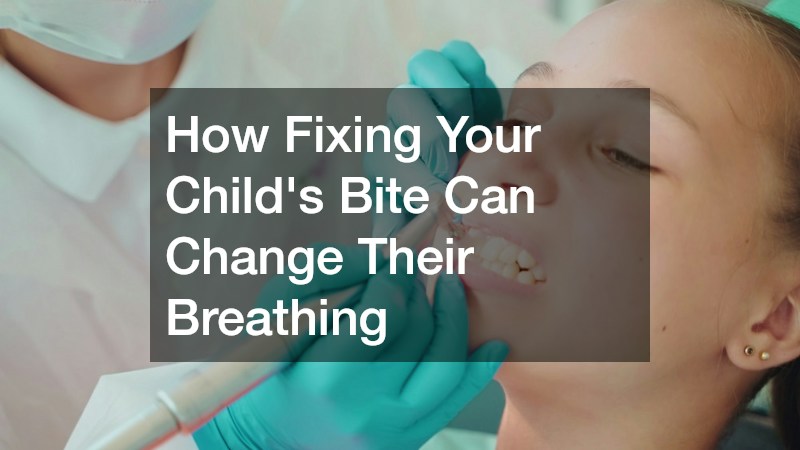
If your child snores, breathes through their mouth, or seems tired no matter how much sleep they get, the cause might not be in their lungs or nose at all. It could be in their jaw. A misaligned bite does more than affect how teeth look in photos; it can physically narrow the airway and change how a child breathes day and night. Understanding this connection can help parents make informed choices about treatment timing and long-term health, not just cosmetics. This article breaks down how bite problems and breathing issues are linked, and what parents can watch for.
The Link Between Jaw Alignment and Airway Space
The size and shape of a child’s jaw directly influence how much room their tongue and airway have to function properly. When the upper or lower jaw develops too narrow or too far back, it can crowd the space behind the tongue, making it harder for air to pass through smoothly during sleep and even while awake. This is why dentists and orthodontists increasingly look beyond straight teeth and consider how the whole facial structure supports healthy breathing. A narrow palate, in particular, is strongly associated with mouth breathing and restricted nasal airflow in children.
Research in pediatric dentistry has shown that children with certain bite patterns, such as a severe overbite or crossbite, are more likely to experience disrupted sleep and breathing difficulties. These structural issues often develop early, sometimes before age seven, which is why early evaluation matters so much. Catching these patterns young gives families more options for guiding growth naturally before the jaw fully develops.
Common Signs That a Bite Problem Is Affecting Sleep
Many parents do not immediately connect their child’s crooked teeth with their restless nights, but the signs are often right there in plain sight. A narrow palate or misaligned bite can crowd the airway, making it harder for a child to breathe through their nose while sleeping, which often leads to mouth breathing, snoring, or audible pauses in breathing. Breathing-related sleep disruption in children can look different than it does in adults, showing up as hyperactivity or moodiness rather than obvious daytime drowsiness. Instead of nodding off at school, a sleep-deprived child is more likely to act out, struggle with focus, or have sudden emotional outbursts that get mistaken for behavioral issues. Other common clues include waking up with a dry mouth or sore throat, bedwetting past the age when it’s typically expected, restless tossing and turning, or sleeping in unusual positions like with the neck hyperextended to open the airway. Dark circles under the eyes, frequent morning headaches, and teeth grinding at night can also point to disrupted breathing patterns tied to bite alignment. Watching for a pattern of symptoms, rather than a single occasional occurrence, helps parents decide when to seek a professional opinion. Keeping a simple sleep log for a week or two — noting snoring, restlessness, or mood the next day — can make it much easier to spot a trend and share useful information with a dentist or doctor.
- Frequent snoring or noisy breathing during sleep, even if it seems mild or occasional
- Mouth breathing during the day or while sleeping, often with dry lips or a chronically open mouth posture
- Waking up multiple times during the night, or restless tossing and turning
- Dark circles or puffiness under the eyes, sometimes called “allergy shiners”
- Difficulty concentrating or irritability during the day, which can mimic symptoms of ADHD
- Bedwetting past the age when it’s typically expected, which can signal disrupted sleep cycles
- Grinding or clenching teeth at night as the jaw tries to compensate for airway restriction
- Unusual sleep positions, like sleeping with the neck hyperextended or propped up on pillows to breathe easier
How Orthodontic Treatment Can Open the Airway
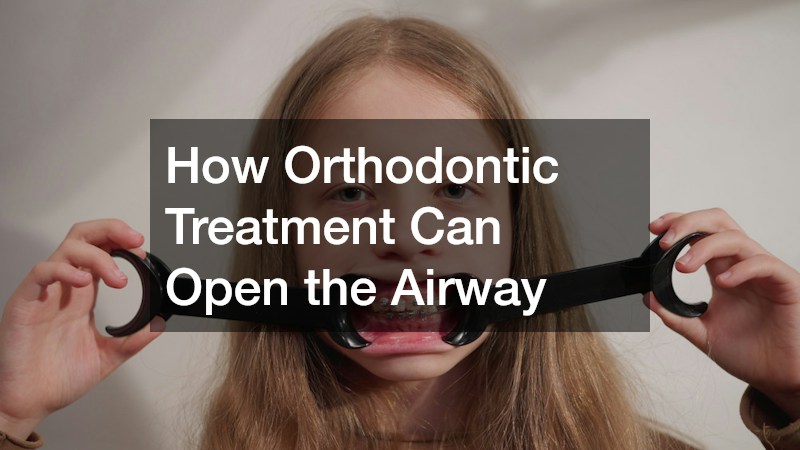
Correcting a bite is not just about aesthetics; certain treatments are specifically designed to widen the dental arch and create more room for the tongue and airway. Palatal expanders, for example, gradually widen the upper jaw over several months, which can measurably improve nasal breathing in growing children. This type of early intervention takes advantage of the fact that a child’s bones are still forming and more responsive to gentle, guided pressure than an adult’s would be.
For many families, kids braces become part of this broader treatment plan once the jaw has been appropriately widened or guided into better alignment. Braces help move individual teeth into positions that support better oral posture, meaning the tongue can rest where it should and the airway stays clearer. Treatment plans are typically built around a child’s specific growth pattern, so two children with similar symptoms might end up with very different approaches.
What Parents Should Expect During the Evaluation Process
A thorough evaluation usually involves more than a quick look at crooked teeth. Orthodontists trained in airway-conscious care often ask about sleep habits, allergies, tonsil size, and even posture, since all of these factors interact with how a child breathes. Some may recommend a sleep study or collaborate with an ENT specialist if there are signs of significant airway obstruction.
- Questions about snoring, mouth breathing, or restless sleep
- Visual exam of the palate, tonsils, and bite alignment
- X-rays to assess jaw growth and airway space
- Possible referral to a sleep specialist or ENT
- Discussion of treatment timing based on the child’s age and growth stage
Choosing Between Traditional and Modern Treatment Options
Once an airway-related bite issue is identified, families often have more flexibility in treatment style than they expect. Invisalign has become a popular option for older children and teens who need corrective movement but prefer a less noticeable approach than metal brackets. While it is not the right fit for every structural issue, especially more complex jaw development cases, it can be effective for guiding teeth into positions that support better breathing once the foundational jaw growth has been addressed.
The best choice often depends on the child’s age, the severity of the bite issue, and how involved the airway restriction is. A consultation with a provider experienced in treating growing children, rather than only adult patients, helps ensure the recommendation actually fits the child’s developmental stage. Cost, comfort, and daily habits like sports or musical instruments can also factor into which option makes the most sense for a particular family.
A child’s bite is about far more than a straight smile; it can directly shape how well they breathe, sleep, and function during the day. If your child shows signs of mouth breathing, snoring, or restless sleep, it is worth scheduling an evaluation rather than waiting to see if they outgrow it. Early assessment gives families the widest range of treatment options and the best chance of supporting healthy growth. Talk to your child’s dentist or an orthodontist about whether a bite-related airway issue could be part of the picture.
