
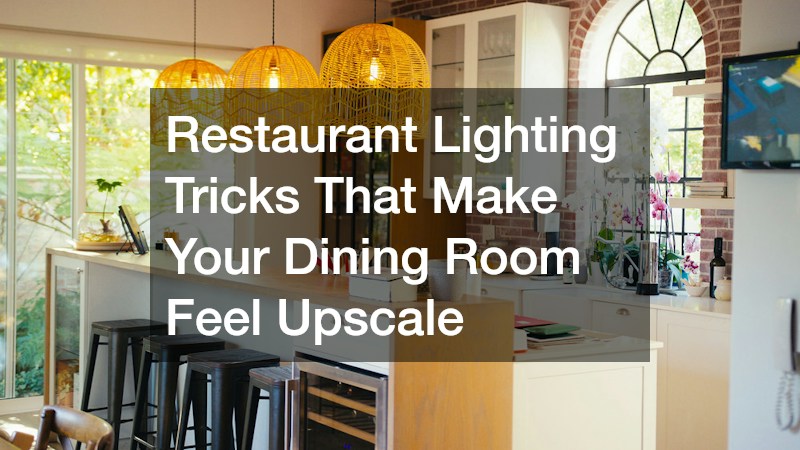
Ever notice how some restaurants feel instantly glamorous the moment you walk in, while others feel flat no matter how nice the food is? The secret usually has nothing to do with the menu and everything to do with lighting. A well-lit dining room can make guests linger longer, order more confidently, and feel like they are somewhere special, even on a modest budget. Whether you run a small cafe or are simply curious about what separates a forgettable space from a memorable one, these lighting tricks reveal how professionals create that upscale glow.
Layer Your Light Sources Instead of Using One Overhead Fixture
Relying on a single ceiling light to illuminate an entire dining room is one of the fastest ways to make a space feel like a cafeteria. Upscale restaurants almost always use layered lighting, combining ambient, task, and accent sources so no single light does all the work. This approach creates depth and softness, with shadows falling naturally instead of flattening the room under one harsh glow. Think of it like dressing in layers; each piece adds warmth and texture that a single garment never could.
- Ambient lighting sets the overall mood, usually dimmer and warmer than typical home lighting
- Task lighting focuses on tables and bars where guests need to read menus comfortably
- Accent lighting highlights artwork, architectural details, or statement features
- Combining all three prevents the washed-out look of a single overhead source
Choose Warm Color Temperatures Over Cool White Bulbs

The color temperature of your bulbs has an outsized effect on how expensive a room feels. Cool, bluish light tends to read as clinical or institutional, which is why it works in offices but rarely in dining rooms. Warmer bulbs, typically in the 2200K to 2700K range, cast a golden glow that flatters skin tones and makes food look more appetizing. This small technical detail is one reason certain spaces feel instantly cozier than others, even with identical furniture and decor.
Many people researching the best restaurants in their city notice a common thread when they pay attention to the lighting, nearly all of them lean warm rather than stark white. That golden undertone subtly signals comfort and quality before a single dish arrives at the table. If you are evaluating a space or trying to recreate that feeling at home, swapping bulbs is often the cheapest upgrade with the biggest visual payoff.
Install Dimmers to Control Brightness Throughout the Day
A dining room that looks perfect at dinner can feel uncomfortably bright during a lunch rush or too dark for an early morning coffee service. Dimmer switches solve this by letting brightness shift along with natural daylight and the mood of each mealtime. This flexibility is a hallmark of professionally designed spaces, since lighting needs change dramatically between an 11 a.m. opening and a 9 p.m. dinner seating. Investing in dimmable fixtures from the start avoids the need for costly rewiring later.
- Brighter settings work well for breakfast and lunch when energy and visibility matter most
- Mid-range dimming suits early dinner service and transitional hours
- Low, warm settings create intimacy for later evening dining
- Dimmers also allow quick adjustments for private events or slower nights
Use Candlelight and Low Table Lighting to Create Intimacy
Nothing says upscale quite like a flickering candle or a small, warm pendant hanging low over a table. These intimate light sources draw the eye downward, creating a cozy pool of light that makes a table feel private even in a busy room. Flameless LED candles have become popular because they offer the same visual warmth without fire code concerns or the hassle of relighting. Positioning these lights at eye level or just below it also flatters guests’ faces far better than overhead lighting ever could.
The height and placement of table lighting matters just as much as the light itself. A pendant hung too high loses its intimate effect, while one positioned correctly creates a natural focal point that frames the dining experience. This is why many higher-end spaces favor smaller, warmer fixtures over large, bright ones when designing around individual tables.
Highlight Architectural Features with Accent Lighting
Accent lighting is what turns a plain wall into a design statement. Wall sconces, picture lights, and hidden LED strips can draw attention to brick walls, artwork, wine displays, or textured ceilings that would otherwise go unnoticed in flat lighting. This technique adds visual interest without requiring expensive renovations, since the lighting itself does the work of elevating the space. A single well-placed accent light can make a budget-friendly design choice look custom and intentional.
- Uplighting on textured walls creates dramatic shadows and depth
- Sconces add warmth while freeing up table space for decor
- LED strips behind bars or shelving create a modern glowing effect
- Spotlighting a focal piece, like art or a wine wall, gives guests something to admire
Avoid Common Lighting Mistakes That Cheapen a Space
Even with the right fixtures, certain mistakes can undo an otherwise thoughtful design. Fluorescent tubes, mismatched bulb temperatures, and overly bright exit signage are frequent culprits that pull a room’s atmosphere in the wrong direction. Glare from unshaded bulbs or reflective surfaces can also ruin an otherwise elegant setup, making guests squint instead of relax. Being aware of these pitfalls helps ensure that all the effort put into layering, color temperature, and accents actually pays off.
- Mixing warm and cool bulbs in the same room creates a disjointed, uneven look
- Bare bulbs without shades or diffusers cause unflattering glare
- Overly bright signage near the entrance can clash with a dim, cozy interior
- Neglecting dimmer compatibility with LED bulbs can cause flickering issues
Upscale dining is as much about atmosphere as it is about flavor, and lighting is one of the most powerful tools for shaping that atmosphere. By layering light sources, choosing warm tones, and paying attention to placement, any dining room can feel more polished and inviting. If you are planning updates to your own space or simply want to appreciate what makes a room feel special, start by looking up and noticing how the light falls around you. Small, intentional changes often make the biggest difference between a space that feels ordinary and one that feels truly elevated.
