
The way we travel has fundamentally shifted. For generations, the primary motivation for packing a suitcase and exploring a new city was to see historical monuments, walk through sprawling art museums, or attend major theatrical events. Dining was often treated as a secondary necessity—a quick pit stop to refuel before hurrying off to the next major landmark. Today, however, culinary tourism has taken center stage. For a rapidly growing demographic of travelers, the food is not merely the fuel for the trip; it is the entire point of the journey. We are no longer just booking flights to see the sights; we are booking flights to taste the culture, experience the terroir, and immerse ourselves in the culinary traditions of a new destination.
However, with this shift in priorities comes a unique set of challenges. A weekend getaway typically only affords you a finite number of meals—usually around six to eight main dining opportunities from Friday evening to Sunday afternoon. When the stakes are this high, a lack of meticulous planning can quickly lead to disaster. Without a strategy, you risk succumbing to palate fatigue, missing out on highly coveted reservations, burning out from excessive transit across town, or, worst of all, ending up trapped in an overpriced, underwhelming tourist trap out of sheer hunger and desperation.
Planning a food-centric weekend requires treating your itinerary like a delicately balanced ecosystem. It is an art form that blends geographic logistics, biological pacing, and extensive culinary research. You must consider how your body will feel after a heavy meal, how long it takes to traverse unfamiliar neighborhoods, and how to seamlessly weave together casual bites with high-end, multi-course extravaganzas.
This comprehensive guide is designed to serve as your ultimate masterclass in culinary travel planning. Whether you are flying across the country to a renowned culinary mecca or taking a short road trip to an emerging regional hotspot, the principles outlined here will equip you with a step-by-step blueprint. By the time you finish reading, you will know exactly how to build a balanced, realistic, and utterly unforgettable weekend food itinerary that maximizes every single bite without leaving you exhausted or overly full.
Researching and Mapping Your Culinary Destination

Group Dining Spots by Neighborhood to Avoid Transit Burnout
The most common mistake novice food travelers make is building a wish list of dining establishments based entirely on reputation, without any regard for where those establishments are actually located. Cities are sprawling, complex grids with unpredictable traffic patterns and varying levels of public transportation efficiency. If you schedule a mid-morning pastry on the far north side of the city, a heavy midday lunch on the extreme south side, and an evening dinner back near your hotel in the central district, you will spend half of your precious weekend sitting in cabs, navigating confusing subway lines, or marching exhausted down endless blocks. This constant, stressful movement is a guaranteed recipe for transit burnout.
To avoid this, you must embrace the concept of geographic clustering. When you begin your research, do not just make a list; immediately plot every potential point of interest onto a digital map.
-
Create visual clusters: Once your pins are dropped, step back and look at the map. You will naturally see clusters form in specific neighborhoods. Dedicate entire half-days or full days to a single cluster.
-
Embrace the walkability factor: The ideal foodie afternoon involves strolling gently from a coffee shop to a public park, then wandering over to a highly rated cluster of local restaurants without ever needing to call a rideshare. Walking aids digestion, allows you to absorb the street-level culture, and builds up your appetite for the next stop.
-
Build buffer zones: Always leave at least thirty minutes of buffer time between your estimated arrival and your reservation. This accounts for getting lost, unexpected weather, or simply finding a cool vintage shop you want to duck into along the way.
Cross-Reference Multiple Review Platforms for Authenticity
In the digital age, we are overwhelmed with information, but not all information is created equal. Relying on a single review platform or simply searching for “top ten places to eat” will almost certainly lead you astray. Many massive review aggregators are heavily skewed by algorithms, paid advertisements, and the sheer volume of tourists who may not know the difference between authentic regional cuisine and a sanitized, mass-produced imitation. An establishment with ten thousand four-star reviews on a major travel site is often just located near a major monument, whereas the true culinary gems might have a smaller, fiercely loyal following.
To pierce through the marketing noise and find true culinary excellence, you must act like an investigative journalist and cross-reference multiple sources.
-
Look beyond the star rating: Read the actual text of the reviews. Look for comments that mention specific chefs, specific ingredient sourcing, or deep connections to the community.
-
Consult regional food writers: Every major city has a local newspaper, a dedicated food magazine, or a prominent food blog run by someone who actually lives there. These writers have their fingers on the pulse of the city and can often point you toward the absolute best restaurant for a specific dish, long before the national travel sites catch on.
-
Utilize social media geotags: Look up the neighborhood on photo-sharing apps and see where the actual residents are eating on a Tuesday night. If a spot is packed with locals rather than people with luggage and guidebooks, you have found a winner.
Structuring Your Days for Peak Appetite and Energy

Start Your Mornings with High-Quality, Intentional Fuel
When you are on vacation, the temptation to indulge in massive, decadent meals right out of the gate is incredibly strong. You might envision starting your Saturday with a towering stack of pancakes drowning in syrup, a side of heavy biscuits and gravy, and bottomless mimosas. While this sounds delightful in theory, it is a strategic error for a dedicated food traveler. A massive influx of heavy carbohydrates, grease, and refined sugar at 9:00 AM will inevitably result in a massive insulin spike, followed by a crushing midday crash. You will spend your afternoon feeling lethargic, bloated, and entirely uninterested in your meticulously planned afternoon and evening meals.
To maintain your stamina throughout a rigorous culinary weekend, you must view your morning meal as high-quality, intentional fuel rather than a standalone feast.
-
Seek out chef-driven morning spots: Look for a morning establishment that treats early meals with the same culinary respect as a dinner service. This might be a spot that ferments its own sourdough, cures its own salmon, or sources organic, heritage-breed eggs.
-
Prioritize regional morning specialties: If you are in the South, seek out a beautifully crafted, modest-sized portion of shrimp and grits. If you are in a coastal city, look for a light crab benedict. Finding a spectacular breakfast restaurant that offers a sense of place without inducing an immediate food coma is the hallmark of a savvy traveler.
-
Embrace the artisanal pastry: Sometimes, the best morning strategy is to skip the sit-down affair entirely. Grabbing a world-class, perfectly laminated croissant and an expertly poured espresso from a renowned local bakery provides just enough energy to get you moving without weighing you down.
Incorporate Palate-Cleansing Refreshments to Fight Food Fatigue
Even if you pace your morning meal perfectly, the human body is not designed to consume massive, complex, and heavy culinary creations back-to-back for three days straight. By the time Saturday afternoon rolls around, you will likely encounter a phenomenon known as palate fatigue. Your taste buds will become overwhelmed by rich fats, heavy salts, and complex umami flavors, rendering them unable to properly appreciate the nuances of your expensive Saturday night dinner. Furthermore, a heavy midday meal will leave you feeling sluggish and uncomfortably full.
The solution to palate fatigue is to rethink the midday interval. Instead of scheduling a heavy sit-down lunch, schedule a dynamic, palate-cleansing refreshment break.
-
Focus on bright, acidic flavors: The palate craves acid to cut through the residual heaviness of rich foods. Seek out items that feature citrus, ginger, mint, or fresh berries.
-
Embrace liquid nutrition: Opting for liquid calories is a fantastic way to give your digestive system a brief rest. Seek out artisanal juice bars, specialized tea houses, or highly rated smoothie shops that utilize fresh, local produce rather than syrupy concentrates. A blend of vibrant greens, tropical fruits, and a hint of ginger can act as a phenomenal reset button for both your stomach and your taste buds.
-
Combine refreshment with movement: Take your beverage to go. Walking through a botanical garden, strolling along a waterfront, or exploring a historic district with a cold, refreshing drink in hand keeps your metabolism active, ensures you stay hydrated, and gracefully bridges the gap between your morning fuel and your evening feast.
Curating High-Impact and Experiential Evening Dinners

Lock in Formal and Traditional Evening Reservations Early
The anchor of any great foodie weekend is the flagship dinner. This is the meal you will likely build your entire day—and perhaps your entire trip—around. Because weekend travel implies you will be dining on a Friday or Saturday night, you are competing not only with other tourists but also with the local population out celebrating anniversaries, birthdays, and the end of the workweek. For highly acclaimed establishments, simply walking in the front door at 7:00 PM and asking for a table for two is a mathematical impossibility. You must lock in these reservations weeks, or sometimes even months, in advance.
When selecting this anchor meal, lean into deeply traditional, comforting, and immersive multi-course experiences that allow you to truly settle into the environment and be taken care of by seasoned hospitality professionals.
-
Embrace the art of the multi-course progression: Look for establishments that encourage a slow, deliberate pacing. A fantastic evening might start with delicate antipasti, transition into a masterfully crafted pasta course, move to a robust protein, and end with an artisanal cheese board or house-made dessert.
-
Evaluate the heritage and technique: If you are dedicating an evening to a specific cultural cuisine, look for hallmarks of authenticity. For example, if you are looking for an exceptional night of italian dining, research whether the kitchen extrudes its own pasta daily, imports authentic San Marzano tomatoes, and curates a wine list that deeply reflects specific regional vineyards rather than generic, mass-produced bottles.
-
Communicate your intentions to the staff: When you arrive for a highly anticipated reservation, let your server know you are visiting specifically for the culinary experience. Ask for their personal recommendations, inquire about off-menu specials, and express a willingness to trust the chef’s vision.
Inject Interactive Food Formats into the Itinerary
If you book three highly formal, quiet, white-tablecloth dinners for Friday, Saturday, and Sunday night, the experiences will inevitably begin to blur together. Monotony is the enemy of a memorable itinerary. To keep the energy high and the memories distinct, you must vary the format of your dining experiences. Food is not just about sustenance or flavor; it is also about entertainment, shared experiences, and sheer fun.
Injecting an interactive, lively, or theatrical format into your weekend breaks up the seriousness of fine dining and allows you and your travel companions to let your guard down and engage with the meal in a completely different way.
-
Seek out theatrical cooking styles: Look for venues where the preparation of the food is part of the show. Whether it is watching a pitmaster carve a massive, smoking brisket right in front of you, or watching a chef hand-pull noodles in an open kitchen, the visual element makes the food taste better.
-
Embrace the joy of communal interaction: Booking a lively, chef-centric evening at a high-energy hibachi restaurant is a fantastic way to shift the mood. The combination of roaring flames, the rhythmic clacking of steel spatulas, the impressive knife work, and the communal seating arrangement forces you out of your shell, encourages laughter, and provides a highly engaging contrast to the hushed, reverent atmosphere of a Michelin-starred dining room.
-
Consider interactive formats: Look for places that require you to participate in the cooking process, such as Korean BBQ where you grill your own marinated meats at the table, or a traditional hot pot experience where you cook raw vegetables and proteins in a simmering, communal broth.
Navigating Specialized and Regional Cuisines
Seek Out Dedicated Traditional Masters of Global Flavors
One of the greatest joys of traveling to a major metropolitan area or a culturally diverse hub is the unparalleled access to authentic global cuisine. A true foodie itinerary should always dedicate at least one significant time block to exploring specialized, meticulous preparations of international flavors that might be difficult to find back home. However, navigating these waters requires a discerning eye, as many establishments cater to a watered-down, Westernized palate rather than adhering strictly to traditional methods.
To find the true masters, you must dig into the background of the kitchen, the lineage of the chef, and the sourcing of the ingredients.
-
Analyze the menu size: A massive, sprawling menu that attempts to cover every single dish from a massive geographic region is often a red flag. A kitchen that tries to do everything rarely does anything perfectly. Look for menus that are hyper-focused, concise, and dedicated to a specific regional subset of a broader cuisine.
-
Understand the cultural nuances: When evaluating high-level japanese restaurants, for example, understand that the term encompasses a vast array of specialized disciplines. A master of Edomae-style sushi who imports fish directly from the Toyosu market will provide a vastly different experience than a bustling, casual Izakaya specializing in charcoal-grilled yakitori and premium sake. Decide which specific facet of the culture you wish to explore.
-
Look for language context: If the menu is primarily written in the native language of the cuisine, or if the establishment is filled with expatriates and first-generation immigrants from that region, it is usually an excellent indicator that the flavors have not been compromised or adjusted for a mainstream tourist audience.
Prioritize Ocean-to-Table Freshness Based on Geography
A cardinal rule of culinary travel is to eat according to your immediate geography. The terroir—the environmental conditions, soil, water, and climate of a specific place—dictates what ingredients will taste best in that exact location. If you are traveling to a coastal city, a lakeside retreat, or a region famous for its waterways, you must make aquatic sourcing a massive priority on your itinerary. Ignoring the local catch to order a steak shipped in from thousands of miles away is a fundamental misunderstanding of geographical dining.
However, just because a city is near the water does not automatically guarantee that every venue serves fresh, high-quality catches. You must learn how to spot the difference between sustainable, ocean-to-table freshness and frozen, imported alternatives.
-
Ask about the sourcing: A quality establishment will be proud of where its proteins come from. The menu, or the servers, should be able to tell you not just what kind of fish it is, but exactly where it was caught, how it was caught (e.g., line-caught, diver-scallops), and often the name of the boat or the farm it came from.
-
Look for seasonal and daily changes: The ocean is entirely unpredictable. If a menu has the exact same aquatic offerings year-round, regardless of the season or the weather, it is highly likely that they are relying on massive, frozen, commercial supply chains. The best establishments rewrite their menus daily based entirely on what the local docks yield that morning.
-
Follow the locals to the water: Sometimes, the most incredible freshness is not found in a white-tablecloth dining room, but rather in a weather-beaten shack directly on the pier. Learning how to navigate the chalkboards at unassuming coastal shacks or the raw bars at high-end seafood restaurants ensures you are getting the absolute purest expression of the region’s aquatic bounty.
Balancing the Budget with Casual and Flexible Alternatives
Keep at Least One Meal Fully Casual with Iconic Staples
A common trap that ambitious travelers fall into is the belief that a “foodie” trip must exclusively consist of expensive, complex, and highly elevated fine-dining experiences. Not only does this approach rapidly drain your bank account, but it also creates an incredibly exhausting and stiff weekend. Constantly worrying about dress codes, hushed voices, and deciphering complex, abstract menus can strip the simple joy out of eating. A truly perfect itinerary must have texture, and that texture comes from balancing the high with the low.
You must deliberately schedule downtime in your culinary plan. Dedicate at least one meal to a fully casual, chaotic, and deeply historic culinary staple.
-
Embrace the history of street food: Every great city has a culinary backbone built by working-class immigrants, street vendors, and humble counter-service joints. Seek out the historic hot dog stand, the legendary taco truck, or the century-old deli. These places offer an unpretentious, immediate connection to the soul of the city.
-
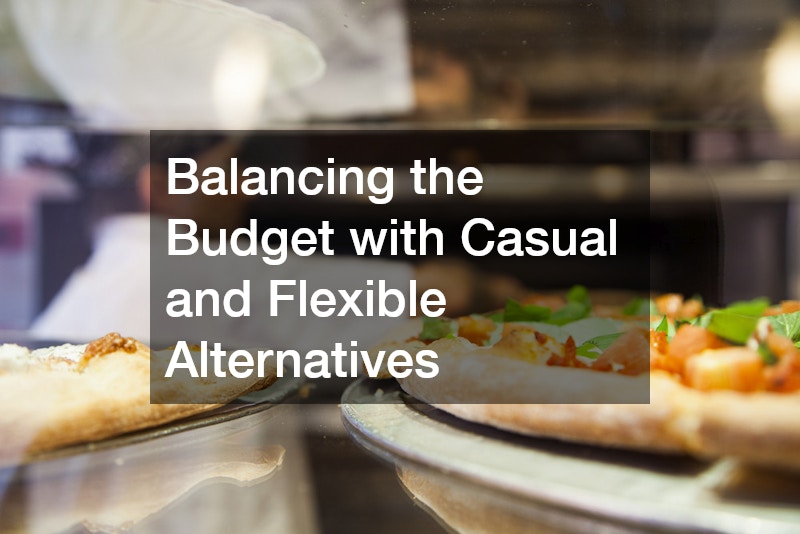
Experience regional dough and sauce: There is perhaps no food more fiercely debated, regionally distinct, and universally beloved than a simple pie of dough, tomatoes, and cheese. Dedicating a relaxed afternoon to grabbing a slice from a legendary local pizzeria allows you to experience a city’s unique take on crust hydration, sauce acidity, and baking techniques in a completely relaxed, joyous environment.
-
Dress down and decompress: The beauty of a casual meal is the lack of pressure. You can wear your comfortable walking shoes, sit on a park bench or a battered barstool, eat with your hands, and simply enjoy the primal satisfaction of incredibly well-executed comfort food without overthinking the flavor profiles or the plating.
Optimize Your Beverage Budget with Savvy Dining Policies
It is an inescapable reality of culinary travel that the final bill is rarely dictated by the food itself. The true budget-breaker on any foodie weekend is the alcohol. Restaurants operate on notoriously thin margins, and the primary way they keep their doors open is by applying massive markups to beer, wine, and spirits. A moderately priced bottle of wine purchased at a retail store can easily cost three or four times as much once a server opens it at your table. If you are enjoying a cocktail before dinner, a bottle of wine during the meal, and an aperitif afterward, your beverage costs can effortlessly eclipse the cost of the food.
If you want to stretch your travel budget without compromising on the quality of your dining experience, you must become intimately familiar with the municipal alcohol laws of your destination city.
-
Research local licensing laws: Alcohol regulations vary wildly from city to city and state to state. In some municipalities, obtaining a liquor license is so astronomically expensive and convoluted that many brilliant, world-class chefs choose to open their doors without one.
-
Curate your own pairings: This legal loophole is a massive advantage for the savvy traveler. By actively seeking out highly rated byob restaurants, you take complete control of your beverage budget. You can visit a high-end local wine shop in the afternoon, purchase a phenomenal, top-tier bottle of wine at retail price, and bring it directly to your table that evening.
-
Understand the corkage fee: Always call ahead to confirm the establishment’s policies. Most venues will charge a nominal corkage fee to provide glasses and open the bottle for you. Even with this fee applied, the savings are staggering, allowing you to reallocate those funds toward an extra appetizer, a decadent dessert, or simply saving money for your next culinary adventure.
Conclusion
Planning the perfect foodie weekend is fundamentally an exercise in strategy, self-awareness, and balance. It requires looking past the glossy, algorithm-driven top-ten lists and diving deep into the true culinary heartbeat of a destination. By clustering your stops geographically, you save your energy for the dining room rather than the subway car. By pacing your meals, leaning into acidic refreshers, and avoiding early-morning sugar crashes, you ensure your palate remains sharp and ready for the main events.
Remember that a flawless itinerary is never a rigid, unyielding schedule; it is a carefully constructed framework that allows for flexibility, spontaneity, and the occasional detour. The most memorable meals are often found in the contrast—the transition from a bustling, chaotic street food counter at lunch to a quiet, reverent, multi-course masterpiece at dinner. By balancing the high-end with the historic, and the formal with the theatrical, you weave a narrative that truly captures the essence of a city.
The world is vast, and the culinary landscape is more vibrant and accessible than ever before. Do not let your next weekend getaway default to convenient hotel food or chain establishments. Pull up a digital map, pick an intriguing neighborhood in a city you have never explored, and start dropping those pins. Your next great culinary adventure is waiting to be built.
