

Owning or managing a commercial property is often likened to conducting a massive, silent orchestra. When everything is in sync, the audience—your tenants and their customers—only notices the beautiful performance. However, if one instrument goes out of tune, the harmony collapses. Managing a modern facility requires a delicate balance of physical maintenance, administrative oversight, and strategic vendor partnerships. From the aesthetic appeal of the storefront to the complex digital infrastructure humming behind the walls, every detail matters in the quest for operational excellence.
In this comprehensive guide, we explore the essential pillars of property management. Success in this field is not just about fixing leaks; it is about creating an environment where businesses can thrive and grow. Whether you are overseeing a retail hub, an office complex, or an industrial park, understanding how to coordinate various professional services is the key to long-term profitability and tenant retention. A property that is well-cared for sends a signal of stability and success to the entire community.
Establishing the Administrative Foundation

Before a single brick is laid or a lease is signed, a commercial property needs a robust administrative backbone. Managing the human element is often more complex than managing the physical structure. For large-scale property management firms, internal staffing can become a significant hurdle that distracts from core goals. This is where partnering with HR companies becomes a strategic advantage. These organizations assist property managers in navigating the complexities of labor laws, payroll for onsite maintenance crews, and the recruitment of high-quality building managers. By outsourcing these human resource functions, property owners can focus on high-level asset management rather than getting bogged down in the minutiae of employee relations or benefit administration.
Effective branding also plays a role in the administrative and marketing phase. A property needs an identity to attract premium tenants who are willing to pay a premium for quality. Utilizing custom printing for high-quality brochures, site maps, and promotional banners helps establish a professional image from day one. This visual consistency ensures that when a potential tenant walks into the leasing office, they feel they are entering a well-managed, elite space. It is these small touches of professionalism, such as embossed business cards or branded directional signage, that often tip the scales during a competitive bidding process. A cohesive brand identity makes a building feel more like a destination and less like a mere address.
Maintaining the Exterior and Curb Appeal
The exterior of a building serves as its first impression and its most visible marketing tool. It tells a story about the quality of the management long before a visitor steps inside the lobby. One of the most effective ways to blend functional utility with aesthetic appeal is through high-quality signage and shading. Many property managers find that working with a reputable commercial awning installer provides immediate value. Awnings do more than just provide shade; they protect the building’s energy efficiency by reducing solar heat gain and offer a sophisticated look that defines the storefronts of retail tenants. These structures can also be customized with logos, serving as a dual-purpose tool for branding and weather protection.
Curb appeal is a year-round commitment, but the challenges change drastically with the seasons. In colder climates, safety becomes the primary concern for any responsible landlord. A single slip-and-fall accident on an icy sidewalk can result in significant legal liabilities and reputational damage. Establishing a contract for commercial snow removal early in the autumn ensures that the property remains accessible and safe regardless of the weather. Reliable plowing and salting services are non-negotiable for maintaining the flow of commerce and protecting the well-being of every individual who visits the site. This proactive planning prevents the chaos that often follows a major winter storm, keeping the property functional while others are buried.
Interior Aesthetics and Structural Upkeep

Once the exterior is secured and welcoming, the focus shifts to the interior environment where people spend the majority of their time. The walls and surfaces of a commercial space endure significant wear and tear from daily foot traffic, moving furniture, and equipment. Periodic refreshes are necessary to prevent the space from looking dated, dull, or neglected. Engaging with professional commercial painting companies allows property managers to maintain a fresh, modern look without disrupting the daily operations of their tenants. High-durability coatings and low-VOC paints ensure that the workspace remains healthy, vibrant, and visually appealing for years to come.
The floor beneath your feet is perhaps the most abused element of any commercial building. From heavy machinery in warehouses to the constant scuffle of shoes in a busy lobby, the flooring must be both resilient and attractive. A qualified commercial flooring contractor can advise on the best materials for specific zones—perhaps polished concrete for industrial areas and high-grade carpet tiles for executive offices. Choosing the right materials during a renovation or initial build-out reduces long-term maintenance costs and enhances the overall value of the asset. Furthermore, a skilled contractor ensures that the installation is performed correctly, preventing future tripping hazards or premature wear that could lead to costly repairs.
Vital Systems and Climate Control
A building is only as good as the systems that keep its inhabitants comfortable and productive. In the world of commercial real estate, air quality and temperature regulation are paramount concerns that impact tenant retention. If the heat fails in the winter or the air conditioning cuts out during a summer heatwave, tenant satisfaction plummets instantly, and productivity stops. Partnering with reliable commercial HVAC companies for preventative maintenance is the best defense against system failure. These experts can perform regular inspections, change industrial-grade filters, and ensure that the complex ductwork of a large facility is operating at peak efficiency, which also helps in keeping utility bills manageable.
Efficient HVAC systems do more than just blow air; they contribute to the “wellness” of a building, a factor that is increasingly prioritized by modern businesses. Modern tenants are increasingly concerned with indoor air quality, filtration, and proper ventilation. By keeping these systems in top shape, property managers can market their spaces as healthy environments, which has become a significant selling point in the post-pandemic era. Regular calibration of thermostats and sensors ensures that energy is not wasted on empty rooms, further boosting the property’s “green” credentials and potentially qualifying for energy efficiency certifications that increase the building’s market value.
Daily Operations and Cleanliness

While major renovations happen every few years, cleanliness is a daily requirement that cannot be overlooked. The hygiene of a property directly impacts the morale of the employees working there and the perception of any visiting clients. A professional commercial cleaning service provides more than just a quick vacuum and trash removal. They utilize specialized equipment and hospital-grade chemicals to sanitize high-touch surfaces, maintain restroom facilities, and ensure that common areas remain pristine. This consistent level of care prevents the buildup of grime and bacteria that can lead to permanent damage to fixtures and finishes if left untreated.
Beyond the visible surfaces, deep cleaning schedules should be established for carpets, windows, and upholstery to maintain a high standard of excellence. A clean building is a healthy building, and reducing the spread of seasonal illnesses through proper sanitation can actually improve the productivity of the businesses housed within the property. It is a subtle but powerful way that property management adds value to the tenant’s bottom line. When a workspace is spotless, employees feel respected and are more likely to take pride in their environment, which leads to a better overall culture within the facility.
Technology and Digital Infrastructure
In the twenty-first century, a commercial property is not just a physical space; it is a digital hub that must support intensive data needs. Tenants expect high-speed connectivity and a secure network environment as a standard feature of their lease, much like they expect running water. For property managers, overseeing complex server rooms and building-wide Wi-Fi can be overwhelming and outside their core expertise. This is where IT managed services come into play. By hiring a specialized firm to oversee the digital infrastructure, property managers can offer “plug-and-play” office solutions. These providers handle everything from cybersecurity patches to hardware upgrades, ensuring that the building’s tech stays ahead of the curve.
Furthermore, the integration of Smart Building technology is becoming the norm for high-end developments. Sensors that track occupancy, lighting systems that adjust based on natural sunlight, and automated door locks all require a stable and robust network. Having a dedicated team to manage these systems ensures that the building operates intelligently, reducing energy waste and providing a seamless experience for the people who spend their days within its walls. This technological edge makes the property more attractive to tech-savvy companies and startups that require a sophisticated digital backbone to operate their business.
Safety and Risk Management
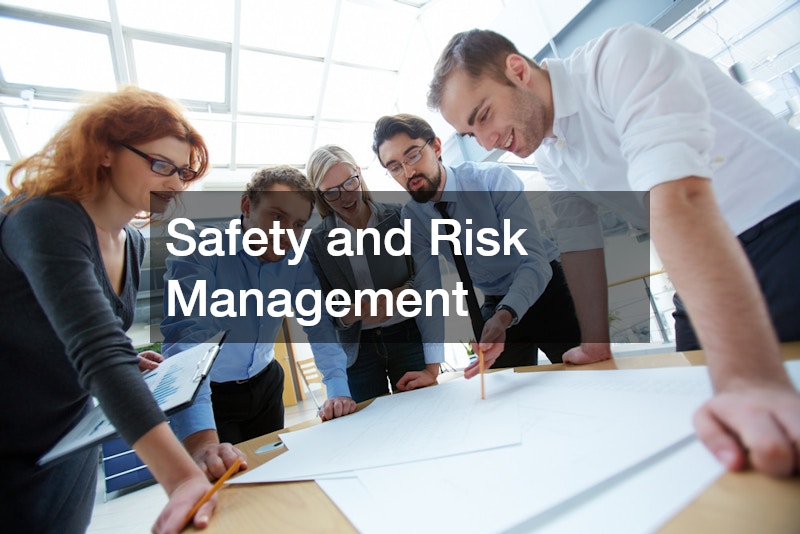
The final, and perhaps most critical, layer of property management is security. A commercial property represents a massive financial investment, and protecting the people and assets within it is a primary responsibility that cannot be delegated lightly. Implementing comprehensive security services involves a combination of physical personnel and advanced technology. High-definition surveillance cameras, biometric access control, and on-site security guards work together to create a safe environment. This presence not only deters criminal activity but also provides peace of mind to tenants who may be working late hours or storing sensitive data.
Risk management also extends to fire safety and emergency preparedness. Property managers must ensure that all alarm systems are tested regularly and that evacuation routes are clearly marked and unobstructed. By taking a proactive approach to safety, managers minimize the potential for catastrophic loss and ensure that the property remains a stable, secure place for business to flourish. Additionally, a strong security profile can often lead to lower insurance premiums, providing a direct financial benefit to the property owner. Creating a culture of safety ensures that every person who enters the building feels protected and valued.
The Synergy of Professional Partnerships
Managing a commercial property is a task too large and multi-faceted for any one person to handle alone. The secret to long-term success lies in the quality of the vendors and contractors you choose to surround yourself with. Each specialist—from the technician repairing the furnace to the consultant managing the payroll—plays a vital role in the delicate ecosystem of the building. When these various services are coordinated effectively, the result is a property that not only maintains its value but appreciates over time despite market fluctuations.
Strategic management requires looking at the “big picture” while never losing sight of the small, everyday details. It is the ability to anticipate a snowstorm before it hits, to refresh a lobby’s paint before it looks dingy, and to ensure the network is secure before a breach occurs. By leveraging the expertise of specialized firms, property managers can transform a simple building into a thriving, high-performance business environment. This collaborative approach allows for a level of excellence that is simply unattainable through a DIY mindset.
The Path to Excellence
The landscape of commercial real estate is constantly evolving, with new technologies, sustainability requirements, and tenant expectations emerging every year. However, the fundamentals of great property management remain the same: attention to detail, proactive maintenance, and the cultivation of strong professional relationships. By integrating the right mix of administrative support, physical maintenance, and technological oversight, property managers can ensure their assets remain competitive in a crowded and noisy market.
Ultimately, a well-managed property is one where the tenants feel supported, and the owners feel secure in their investment. Whether you are just starting your journey in property management or are a seasoned veteran looking to optimize your operations, focusing on these core areas will provide a clear roadmap for success. From the initial branding and HR setup to the daily cleaning and long-term security, every choice you make contributes to the legacy of the building. Success is found in the harmony of these moving parts, creating a space that is not just a structure, but a cornerstone of the local business community. When all these elements align, the property becomes more than just real estate; it becomes a vital engine for economic growth and professional achievement.
