
Nobody plans for a burst pipe at midnight or a furnace that quits during the first cold snap of the year. Yet these “surprise” emergencies are often the predictable result of systems that were never upgraded or maintained until it was too late. Taking a whole-home approach to upgrades, rather than waiting for individual components to fail, can save homeowners thousands of dollars and countless headaches.
This article walks through the major systems in your home, why they age the way they do, and how proactive planning keeps small issues from becoming expensive disasters.
The Hidden Cost of Waiting Until Something Breaks
Most home systems do not fail all at once. They degrade slowly, giving off warning signs — strange noises, rising utility bills, inconsistent temperatures, or minor leaks — that are easy to ignore until the day they stop working entirely.
Emergency repairs almost always cost more than planned upgrades because they involve rushed labor, overnight or weekend service fees, and limited options since you are forced to choose whatever is available immediately. A water heater replacement scheduled in advance might cost several hundred dollars less than the same job done as an after-hours emergency call, simply because you had time to compare contractors.
Homeowners who wait for a breakdown also lose the ability to shop around, negotiate pricing, or schedule work during off-peak seasons when contractors offer better rates and faster availability. On top of that, a system failure often causes secondary damage — a burst pipe can ruin flooring, or a failed furnace in winter can lead to frozen pipes — turning one repair into several.
Beyond the financial hit, emergencies disrupt daily life in ways that planned upgrades never do. A failed water heater or a collapsed section of ductwork can mean days without basic comfort while repairs are arranged, appliances are sourced, and technicians are scheduled around already-full calendars. Emergency contractors often charge premium rates for after-hours or same-day service, adding 25-50% to costs you’d otherwise pay at a normal pace.
There’s also the scramble factor: choosing a replacement system under pressure rarely leads to the best decision. Homeowners facing a dead furnace in January tend to accept the first available unit rather than comparing efficiency ratings or long-term value.
Thinking about your home as a connected set of systems, rather than isolated parts, helps you catch problems while they are still minor and affordable to fix. A wiring issue, for instance, can strain an HVAC system long before either component visibly fails.
How Aging HVAC Systems Trigger Costly Emergencies
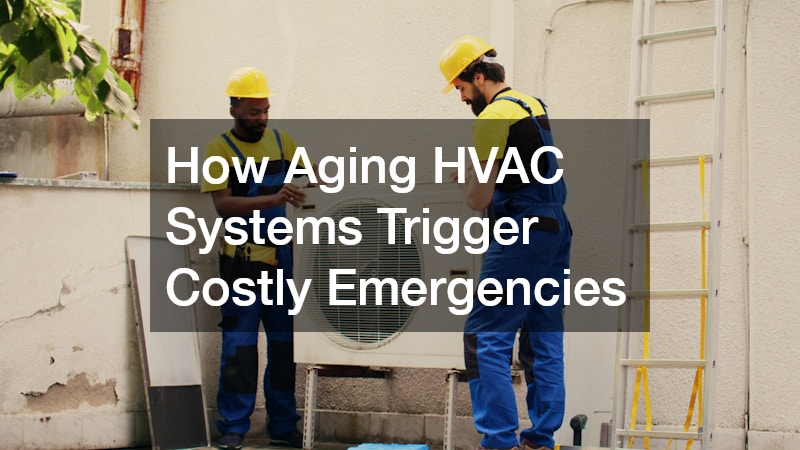
Heating and cooling systems are some of the most expensive components in any home, and they rarely fail gracefully. A furnace that has not been serviced in years is far more likely to break down on the coldest night of winter, leading to an urgent call for furnace repair when technicians are already stretched thin. Regular inspections catch worn belts, cracked heat exchangers, and clogged filters long before they cause a full system shutdown.
Air conditioners follow a similar pattern, gradually losing efficiency until they either stop cooling altogether or start driving up utility bills significantly. Once a unit passes the ten to fifteen year mark, homeowners should start budgeting for an AC replacement rather than continuing to pour money into repairs on an aging system. Planning this upgrade ahead of a heat wave means better pricing, more model options, and installation on your own timeline instead of an emergency one.
- Schedule seasonal tune-ups before extreme weather hits
- Replace air filters every one to three months to reduce strain
- Track the age of your equipment against its expected lifespan
- Watch for unusual noises, odors, or inconsistent temperatures
Plumbing Problems That Start Small and Escalate Fast
Plumbing issues rarely announce themselves loudly at first. A slow drip under a sink, a slightly slow drain, or a faint musty smell can all be early indicators of a much larger problem developing behind the walls. Bringing in a residential plumber for a whole-home inspection every few years helps identify aging pipes, corroded fittings, and water pressure issues before they cause flooding or structural damage.
Older homes are especially vulnerable because outdated pipe materials like galvanized steel corrode from the inside out, often with no visible warning. Replacing these sections proactively, along with updating shutoff valves and water heaters nearing the end of their lifespan, prevents the kind of sudden pipe burst that can cause tens of thousands of dollars in water damage. A little attention now is far cheaper than a full remediation later.
Roofing Damage You Can Catch Before It Spreads
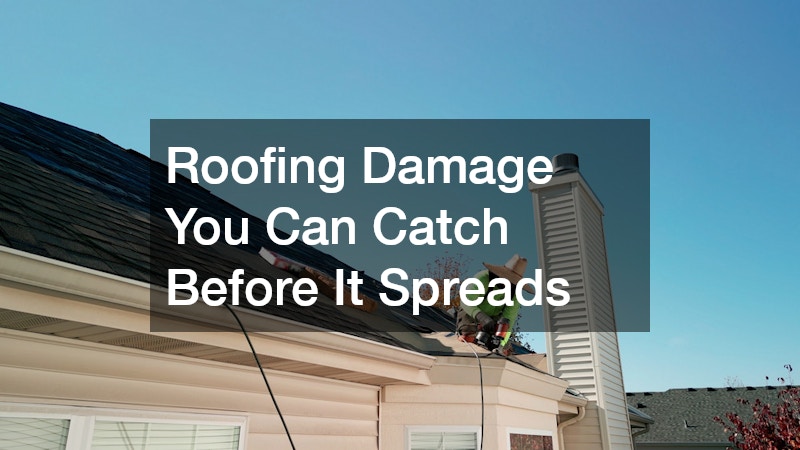
Your roof takes on more punishment than almost any other part of your home, absorbing sun, wind, rain, and temperature swings year after year. Small issues like curling shingles, cracked flashing, or minor granule loss are easy to overlook but tend to worsen quickly once moisture finds a way underneath the surface. Scheduling a periodic inspection with a local roofing company can catch these problems while they are still a simple patch rather than a full replacement.
- Check for missing or curling shingles after major storms
- Look for water stains on ceilings, which often indicate hidden leaks
- Clear gutters regularly to prevent water backup under the roofline
- Replace flashing around chimneys and vents before it rusts through
Protecting Your Home’s Exterior From the Elements
Siding does more than affect curb appeal; it forms a critical barrier against moisture, pests, and temperature loss. Cracked, warped, or loose siding allows water to seep behind the exterior wall, leading to rot and mold that can spread undetected for months. Consulting with local siding companies about the condition of your exterior every few years helps you catch these issues early and avoid a full wall replacement down the road.
The ground surrounding your home matters just as much as the structure itself. Poorly graded landscaping or damaged hardscaping like patios, retaining walls, and walkways can direct water toward your foundation instead of away from it. Addressing drainage problems and repairing cracked pavers before winter freeze cycles worsen them protects both your foundation and your outdoor living spaces.
Outdoor Living Spaces Need Attention Too

For homeowners with a pool, deferred maintenance can turn into a significant expense surprisingly fast. Cracked tiles, failing pumps, and worn liners often start as cosmetic issues but can lead to structural leaks or equipment failure if left unaddressed. Working with a swimming pool company for annual inspections helps you catch equipment nearing the end of its lifespan before it fails during peak swimming season.
- Inspect pumps and filters at the start and end of each season
- Watch for cracks in tile or plaster that could indicate deeper, more serious damage
- Balance water chemistry regularly to prevent equipment corrosion
- Cover pools during off-season months to reduce debris buildup
Interior Upgrades That Prevent Future Headaches
Interior systems age just as predictably as anything on the exterior of your home, and kitchens tend to show wear the fastest due to daily use. Cracked or stained kitchen countertops are not just a cosmetic annoyance; they can also harbor bacteria or allow water to seep into cabinetry below. Replacing worn countertops before they crack further protects both the appearance and the function of one of the most heavily used rooms in the house.
Larger interior renovations often reveal issues that would otherwise go unnoticed, such as outdated wiring behind cabinets or water damage under flooring. Bringing in remodeling contractors for a broader kitchen or bathroom update gives you the chance to address these hidden problems at the same time, rather than opening the walls again later for a separate emergency repair. Combining cosmetic upgrades with structural checks is one of the most efficient ways to prevent future surprises.
Creating a Whole-Home Maintenance Timeline
One of the most effective ways to avoid emergency costs is building a simple maintenance calendar that covers every major system in your home. Rather than reacting to problems as they appear, homeowners who schedule seasonal check-ins stay ahead of wear and catch small issues while they are still inexpensive to fix. A basic timeline might include spring inspections for cooling equipment and plumbing, summer checks on attic ventilation and exterior drainage, fall tune-ups for heating systems and chimneys, and winter reviews of insulation and pipe protection.
This is especially true for heating and cooling equipment, where an experienced HVAC contractor can flag a failing component months before it causes a full breakdown. A contractor might notice a worn capacitor, a refrigerant leak, or a clogged condensate line during a routine visit, any of which could otherwise trigger an emergency service call in the middle of a heat wave or cold snap. Scheduling these visits twice a year, once before summer and once before winter, typically costs far less than the average $300 to $600 emergency repair bill.
Beyond HVAC, the same calendar approach works well for water heaters, sump pumps, electrical panels, and roofing. Setting reminders for filter changes, gutter cleanings, and appliance inspections every three to six months turns maintenance into a routine rather than an afterthought. Over time, this proactive rhythm not only reduces the odds of costly breakdowns but also extends the lifespan of the systems that keep a home running smoothly.
- Spring: inspect roofing, gutters, and exterior drainage; clear debris and check for winter damage before spring rains hit
- Summer: service air conditioning, check outdoor structures like decks and fences, and test irrigation systems for leaks
- Fall: schedule heating system checkups, clean chimneys and vents, and seal drafts before cold weather arrives
- Winter: monitor pipes and insulation for cold-related stress, and watch for ice dams on rooflines
- Year-round: track appliance and system ages against expected lifespans (e.g., water heaters ~10-15 years, HVAC ~15-20 years)
- Year-round: keep a simple log or app reminder for filter changes, smoke detector batteries, and warranty expirations
Setting a Realistic Budget for Preventive Upgrades

Planning upgrades in advance does not mean tackling every project at once. Start by listing your major systems—HVAC, water heater, roof, electrical panel, plumbing—and note the age and condition of each, since most have predictable lifespans (a water heater typically lasts 10-12 years, an HVAC system 15-20, a roof 20-25). This lets you prioritize the systems nearing the end of their expected life first, spreading costs over several years instead of facing them all at once.
A common rule of thumb is to budget 1-3% of your home’s value annually for maintenance and upgrades, though older homes may need to lean toward the higher end. If that feels too abstract, setting aside a fixed amount each month, even $50-100, creates a dedicated fund that grows steadily and reduces reliance on credit or high-interest loans when a bigger project comes up.
Beyond the fund itself, get rough quotes for your biggest anticipated expenses, so you’re not guessing at costs later. Knowing that a new HVAC system might run $5,000-10,000 or a roof replacement $8,000-15,000 helps you calibrate how much to save and how urgently to act. This kind of forward planning turns overwhelming expenses into manageable, expected line items rather than financial emergencies.
It also helps to get multiple estimates and understand the typical lifespan of major systems before problems start. Most asphalt shingle roofs last 20-25 years, HVAC systems run 15-20 years, water heaters need replacing every 8-12 years, and plumbing systems can last 50 years or more depending on the pipe material. Knowing roughly when each of these will need attention lets you plan the timing and financing well in advance rather than scrambling when something fails.
Getting at least three quotes from licensed contractors is worth the extra time, since prices for the same job can vary by hundreds or even thousands of dollars depending on the company. Ask each contractor for a breakdown of labor, materials, and warranty coverage so you’re comparing like-for-like estimates rather than just a bottom-line number. It’s also smart to check whether a contractor offers financing options or seasonal discounts, since many companies run promotions during slower months.
This approach turns home upgrades from a stressful, reactive expense into a manageable, predictable part of homeownership. By mapping out expected replacement windows on a simple calendar or spreadsheet, you can spread costs across several years instead of facing them all at once. Over time, this kind of planning can mean the difference between a routine line item in your budget and an emergency loan to cover a system that failed without warning.
Final Thoughts
Whole-home upgrades are not about spending money unnecessarily; they are about spending it on your own terms instead of during a crisis. By paying attention to the condition of your HVAC system, plumbing, roofing, exterior, outdoor features, and interior spaces, you can catch small issues long before they become expensive emergencies. Start by walking through your home this weekend and noting anything that looks worn, outdated, or overdue for attention. A little planning now can save you significant time, stress, and money down the road.
