
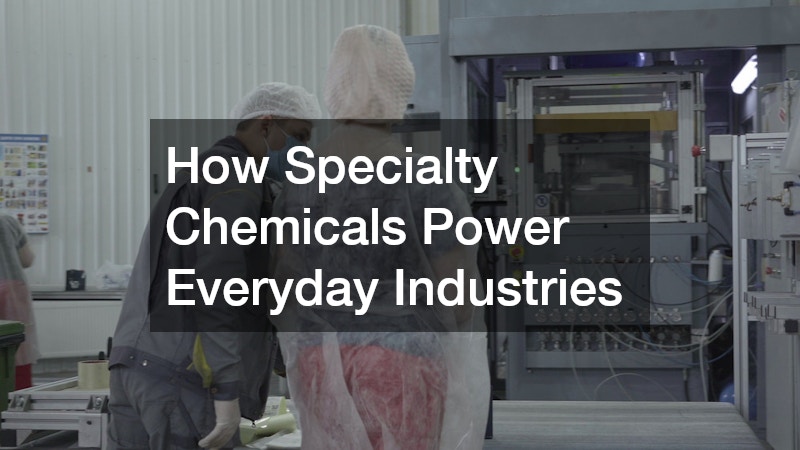
Modern industries depend on more than just machinery and skilled labor. Behind the scenes, specialty chemicals and professional service providers play a critical role in maintaining efficiency, safety, and cleanliness across countless sectors. From manufacturing plants and restaurants to water treatment systems and health services, specialized chemicals and technical expertise help businesses operate smoothly every day.
Many organizations rely on a specialty chemical supplier to access the precise formulations they need for cleaning, processing, maintenance, and production. These suppliers support industries by delivering tailored solutions that improve performance, extend equipment life, and help facilities meet regulatory requirements. While these chemicals often go unnoticed by the public, they are essential to modern operations.
Below, we explore several industries and services where specialty chemicals and related expertise quietly power everyday activities.
Supporting Modern Manufacturing Operations
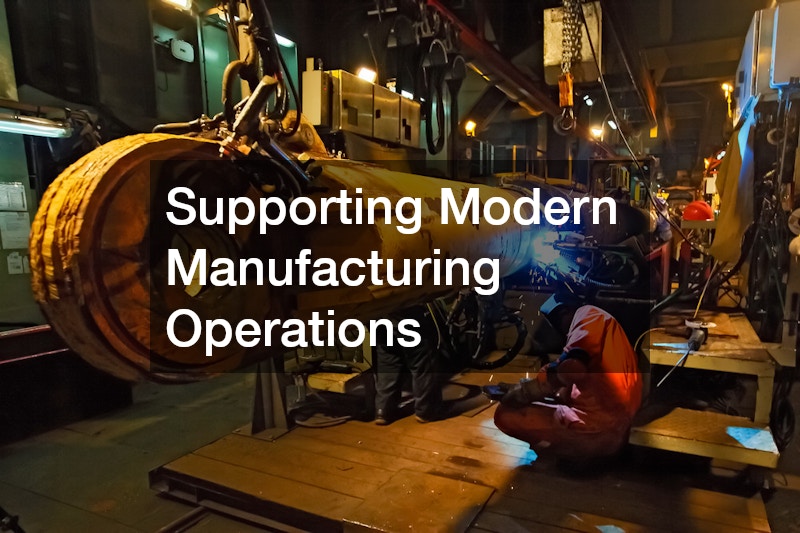
Manufacturing facilities rely heavily on specialized chemicals to maintain equipment and produce high-quality products. In precision industries such as aerospace, automotive, electronics, and medical device production, even microscopic contaminants can disrupt production.
One critical solution used in these environments is vapor degreasing solvents. These solvents remove oils, lubricants, metal particles, and other residues from components during the manufacturing process. When parts are cleaned properly, manufacturers can ensure coatings adhere correctly, electronic connections remain reliable, and mechanical systems function as intended.
The use of vapor-based cleaning systems allows manufacturers to clean complex parts with intricate shapes that traditional washing methods cannot reach. This process is especially valuable in high-precision industries where cleanliness standards are extremely strict.
Many advanced manufacturing companies depend on these specialized cleaning methods to maintain the quality and reliability of their products. Without precise chemical solutions and cleaning technologies, many modern manufacturing processes would become inefficient or even impossible.
Specialty chemical providers work closely with manufacturers to develop formulations that meet performance standards while also addressing environmental regulations and worker safety requirements. As manufacturing technologies evolve, chemical innovation continues to support the industry’s progress.
Maintaining Safe and Sanitary Food Service Environments

Restaurants and commercial kitchens face strict health regulations designed to protect public safety. Maintaining sanitary conditions requires more than routine wiping and mopping; it demands specialized cleaning products and professional services.
Professional commercial kitchen cleaning services rely on powerful degreasers, sanitizers, and specialty chemicals to eliminate grease buildup, food residue, and bacteria from kitchen equipment, ventilation systems, and surfaces. These cleaning solutions help restaurants maintain compliance with health department standards and reduce the risk of foodborne illness.
Grease accumulation in kitchen hoods, ducts, and exhaust systems can also create significant fire hazards. Specialty chemical formulations break down these deposits effectively, allowing technicians to remove buildup that might otherwise be extremely difficult to clean.
Food service businesses depend on reliable suppliers who understand the unique sanitation needs of the industry. By working with a knowledgeable chemical provider, restaurants can access products that meet food safety standards while also improving operational efficiency.
Proper cleaning and sanitation not only protect customers but also extend the lifespan of kitchen equipment, reduce maintenance costs, and improve overall workplace safety.
Ensuring Clean and Safe Water Systems
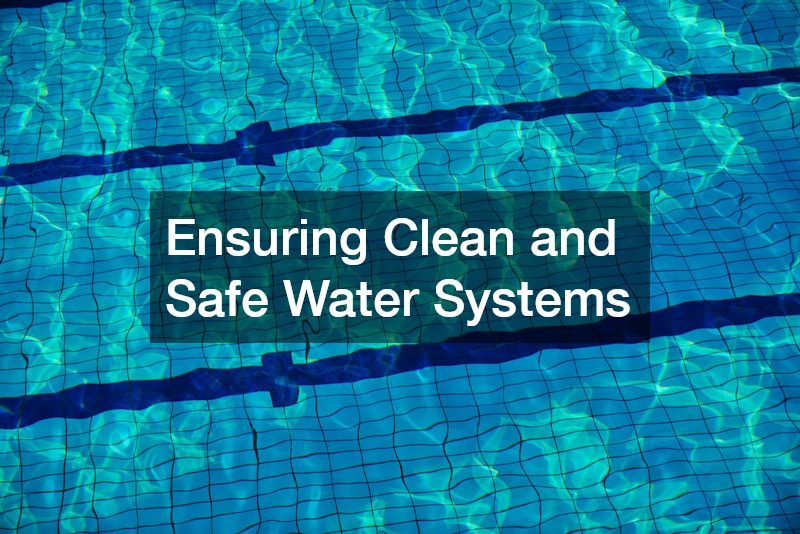
Water treatment is another area where specialty chemicals play an essential role. Municipal facilities, commercial buildings, industrial plants, and recreational water systems all rely on carefully balanced chemistry to maintain safe water quality.
One example involves the use of solid chemicals for water treatment. These products are often used in controlled dosing systems that help maintain proper chemical balance in water systems. Solid formulations offer advantages such as safer handling, reduced storage risks, and consistent performance.
Water treatment chemicals help control bacteria, prevent scale buildup, reduce corrosion, and maintain proper pH levels. Without these treatments, water systems could quickly become unsafe or cause damage to infrastructure.
In swimming pools and recreational water systems, another important concern is lowering cyanuric acid levels. Cyanuric acid helps stabilize chlorine in outdoor pools, protecting it from sunlight. However, excessive levels can reduce chlorine’s effectiveness and compromise water sanitation.
Proper chemical management ensures that water remains safe for swimmers while maintaining effective disinfection. Water professionals carefully monitor and adjust chemical levels to achieve the correct balance.
Specialty chemical suppliers often provide training, monitoring systems, and expert guidance to ensure these chemicals are used effectively and safely. Their expertise helps facility managers maintain water quality while meeting regulatory standards.
Addressing Building Health and Indoor Air Quality
Buildings face a variety of environmental challenges that require professional expertise and specialized chemical solutions. One of the most serious issues affecting indoor environments is mold growth.
Moisture problems, leaks, or poor ventilation can lead to mold development inside walls, ceilings, and HVAC systems. When mold spreads, it can damage building materials and negatively affect indoor air quality.
Professional mold experts use specialized cleaning agents, antimicrobial treatments, and containment strategies to remove mold safely. These chemicals help eliminate spores and prevent future growth while protecting occupants and restoration workers.
The remediation process often involves identifying moisture sources, removing contaminated materials, and treating affected surfaces with specialized solutions. Chemical treatments help ensure that mold colonies are fully neutralized.
Proper remediation protects both the structural integrity of buildings and the health of the people inside them. Businesses, schools, healthcare facilities, and residential buildings all benefit from expert mold removal services supported by effective chemical solutions.
Managing Wastewater and Infrastructure Systems
Wastewater systems are another critical area where specialty chemicals and professional services support daily operations. Homes, businesses, and industrial facilities depend on properly functioning septic and wastewater systems to manage waste safely.
Professional septic system services help maintain these systems by inspecting tanks, pumping waste, and treating bacterial imbalances that can lead to system failures. Specialty chemicals are often used to support biological processes within septic systems, helping break down organic material more efficiently.
Without proper maintenance, septic systems can become clogged, overflow, or contaminate nearby groundwater. Chemical treatments and biological additives help maintain system balance and prevent costly damage.
Infrastructure professionals rely on reliable chemical products that are specifically designed for wastewater environments. These solutions help maintain system performance while minimizing environmental impact.
By supporting septic maintenance and wastewater treatment, specialty chemicals contribute to cleaner communities and healthier ecosystems.
Protecting Buildings and Facilities from Pests

Another important aspect of facility maintenance involves controlling insects and rodents that can damage property or threaten public health. Pest infestations can occur in residential buildings, restaurants, warehouses, and industrial facilities.
A professional pest control company uses specialized chemical formulations to eliminate pests safely and effectively. These products target insects, rodents, and other unwanted organisms while minimizing risk to humans and pets.
Modern pest control strategies often combine chemical treatments with monitoring systems and preventative measures. Integrated pest management approaches focus on identifying entry points, eliminating food sources, and applying targeted treatments only when necessary.
Specialty chemicals play an essential role in controlling infestations while protecting the surrounding environment. Advanced formulations allow pest control professionals to deliver precise treatments that minimize chemical exposure while maintaining effectiveness.
Businesses benefit greatly from professional pest management because infestations can damage reputations, violate health regulations, and disrupt operations.
Supporting Health and Aesthetic Services
Specialty chemicals also contribute to industries focused on health, wellness, and cosmetic care. Clinics that provide treatments such as hair restoration rely on medical-grade chemical solutions for sterilization, treatment preparation, and clinical procedures.
Hair restoration technologies have evolved significantly in recent years. Many clinics now use advanced techniques such as follicular unit extraction (FUE), platelet-rich plasma treatments, and specialized scalp therapies. These procedures require precise chemical formulations to maintain sterile environments and support patient safety.
Medical facilities rely on specialty suppliers who understand strict healthcare regulations and product standards. Chemical products used in clinical environments must meet high purity and safety requirements.
In addition to procedural applications, specialty formulations are used in scalp treatments, hair care products, and post-treatment care solutions. These products help improve patient outcomes and support successful procedures.
Healthcare providers depend on reliable chemical suppliers to ensure their treatments remain safe, effective, and compliant with medical standards.
The Role of Chemical Innovation in Industry
Across all of these industries, innovation in chemical science continues to drive progress. New formulations are constantly being developed to improve efficiency, reduce environmental impact, and enhance safety.
A trusted specialty chemical supplier plays a vital role in helping businesses adopt these innovations. Suppliers often work directly with manufacturers, facility managers, and service providers to create customized chemical solutions that address specific operational challenges.
In manufacturing, new cleaning solvents improve precision and reduce waste. In water treatment, advanced formulations help facilities maintain safe water with fewer chemicals. In sanitation and pest control, improved products reduce environmental impact while maintaining effectiveness.
Chemical suppliers also provide training, safety documentation, and regulatory guidance to ensure their products are used correctly. This collaboration helps industries maintain compliance with environmental and workplace safety standards.
As industries evolve, the demand for specialized chemical solutions continues to grow. Suppliers must stay ahead of technological developments and regulatory changes to support their customers effectively.
Why Specialty Chemical Partnerships Matter
Businesses across nearly every sector rely on chemical expertise to maintain safe, efficient operations. From manufacturing plants and restaurants to medical clinics and water treatment facilities, specialty chemicals support critical processes that keep industries running.
Working with a knowledgeable chemical provider allows businesses to access high-quality products, expert guidance, and customized solutions. These partnerships help organizations improve operational performance while addressing environmental and safety concerns.
Whether it involves cleaning industrial components, maintaining sanitary kitchens, managing water systems, or supporting medical procedures, specialty chemicals remain essential to modern infrastructure.
Although many people rarely think about the chemical technologies behind everyday services, their impact is significant. They help ensure clean water, safe food preparation, reliable manufacturing, healthy buildings, and effective pest control.
As industries continue to advance, the role of specialty chemicals will only become more important. Innovation in chemical science will continue to support businesses, protect public health, and power the systems that make modern life possible.
Why It’s Important to Understand Chemicals Used in Everyday Life.
Chemicals are an essential part of everyday life, even though many people rarely think about them. Everything from the air we breathe and the water we drink to the products we use at home contains chemical compounds. In fact, the world around us is made entirely of chemicals. Understanding how these substances work and why they are used can help people make safer choices, appreciate modern conveniences, and better understand the science that supports daily life.
Many everyday household products rely on carefully designed chemical formulas. Cleaning supplies, soaps, and disinfectants are created to break down dirt, kill bacteria, and remove stains. Laundry detergents use chemicals that separate oils and grime from fabrics so they can be rinsed away with water. Without these chemical reactions, keeping homes, clothing, and surfaces clean would be much more difficult.
Food preparation also involves chemistry. Cooking changes the chemical structure of ingredients, which alters their flavor, texture, and nutritional properties. For example, when bread bakes, chemical reactions between heat, yeast, and sugars cause the dough to rise and form a soft structure. Similarly, preservatives and additives are used in many foods to maintain freshness and prevent spoilage during storage and transportation.
Water treatment is another important example of how chemicals protect public health. Chemicals are commonly used to disinfect water supplies and remove harmful contaminants. These treatments help ensure that drinking water is safe for communities. Without chemical treatment processes, water could carry bacteria, viruses, and other substances that cause illness.
Chemicals are also widely used in medicine and healthcare. Many life-saving medications are created through chemical research and development. Antibiotics, pain relievers, vaccines, and other treatments depend on carefully designed chemical compounds that interact with the body to fight disease or relieve symptoms. Advances in chemistry have dramatically improved human health and life expectancy over time.
Understanding chemicals is important because it helps people use products safely and responsibly. Many household products include instructions and warnings that explain how they should be handled, stored, or disposed of. Knowing basic information about chemicals can help prevent accidents and reduce environmental impact.
In addition, learning about chemistry can help people recognize the difference between harmful substances and those that are beneficial when used correctly. Not all chemicals are dangerous; many are essential to modern life. By understanding how they work, individuals can make informed decisions about the products they use, the foods they eat, and the ways they interact with the environment.
Ultimately, chemicals play a crucial role in maintaining health, supporting technology, and improving everyday comfort. Developing a better understanding of them allows people to appreciate the science behind the modern world and the many ways chemistry helps make daily life safer and more convenient.
